
• Fellow at UC Santa Cruz and member of the UC Board of Regents
Achievements:
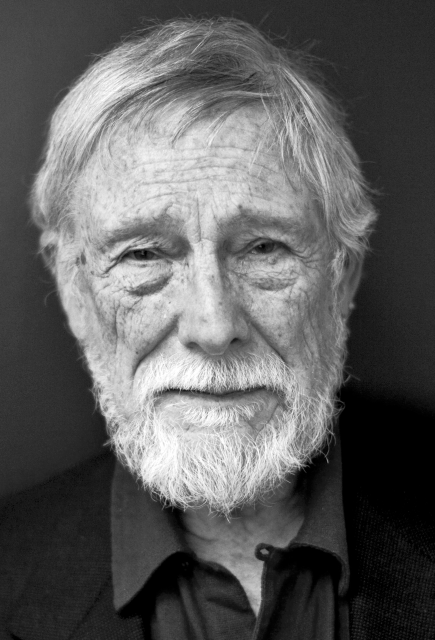
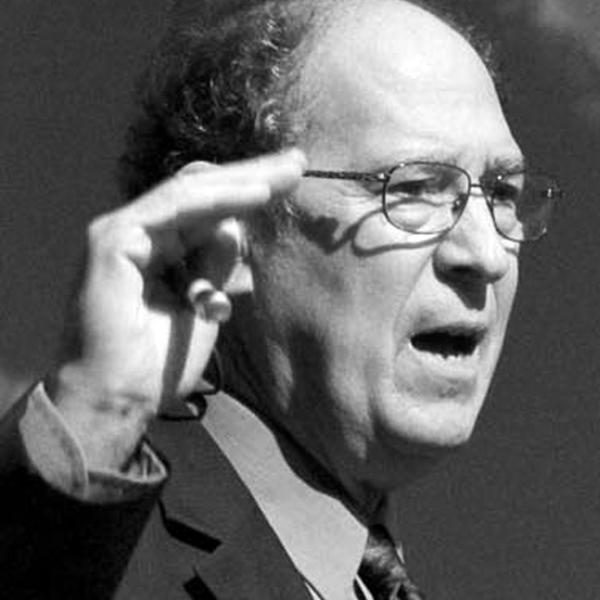
Gregory Bateson’s legacy of ideas resonates across many fields,
including anthropology, psychology, and biology.
His first contributions were in anthropology, for which his
fieldwork led to new understandings of cultural processes.
Next, he helped develop cybernetics, a formal approach to the
study of complex natural and artificial systems.
Moving to California in 1948, Bateson studied schizophrenia and
family dynamics. He and his colleagues developed the
“double bind” explanation of schizophrenia and launched the field
of family therapy.
Bateson next began studying animal communication, and also began
to think about looming crises in our relationship to the
environment. In 1972 he took a teaching position at UC
Santa Cruz, and later served on the UC Board of Regents.
Awards/Recognition:
• The Bateson Building in downtown Sacramento, California is
named for him.
•Lives in Los Angeles with his wife, Annette Bening, and their
four children
Achievements:
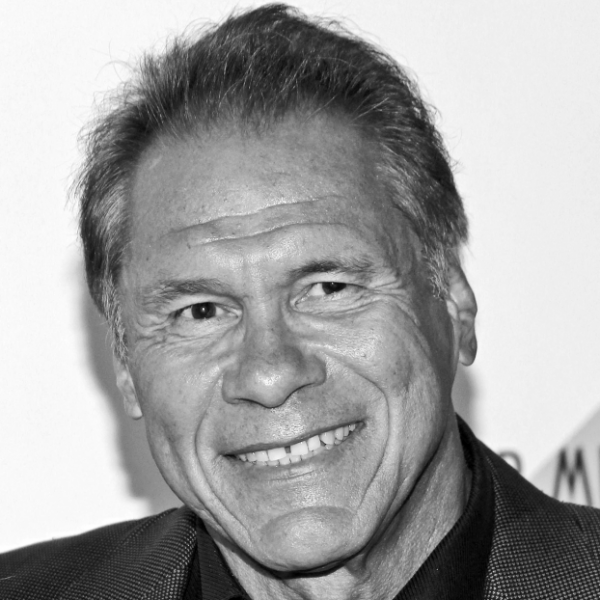
A star since his first film in 1961, Warren Beatty’s longevity in
movies exceeds that of any actor of his generation. Few people
have taken so many responsibilities for all phases of film
production as producer, director, writer, and actor, and few have
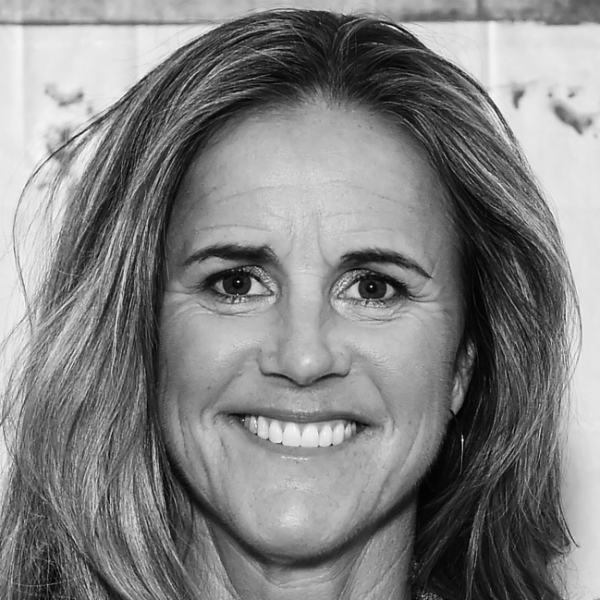
shown so high a level of integrity in a body of work. Many
of his films are considered classics, including Bonnie and
Clyde, Shampoo, Reds, Heaven Can
Wait, Dick Tracy, Bugsy,
Bulworth, Splendor in the Grass, All Fall Down,
McCabe and Mrs. Miller, and The Parallax View. Only Beatty
and Orson Welles have been nominated for an Academy Award as an
actor, a director, a writer, and a producer for the same film – a
feat Beatty achieved twice. Beatty has been nominated fifteen
times in these categories and eight pictures he has produced have
earned 53 nominations.
Politically active since the 1960s, Beatty campaigned with Robert
Kennedy in 1968. That same year he traveled the U.S. speaking in
favor of gun control and against the war in Vietnam. He was a
founding board member of the Center for National Policy and of
The Progressive Majority, a member of the Council on Foreign
Relations, and has participated in the World Economic Forum. He
has addressed campaign finance reform, the increasing disparity
of wealth, and universal health care.
Selected Awards/Recognition:
• Academy Award, Best Director for “Reds”
• Irving G. Thalberg Award
• Kennedy Center Honors
• American Film Institute Lifetime Achievement Award
• Cecil B. DeMille Award from the Hollywood Foreign Press
Association

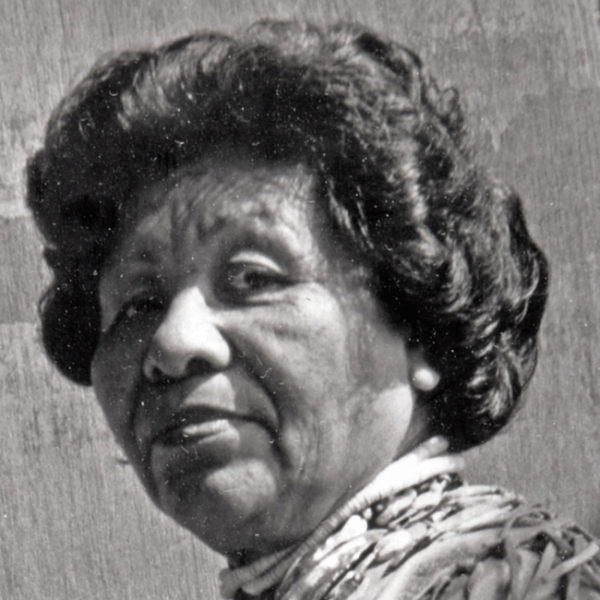
•Ray Eames was born and raised in Sacramento, CA; both Charles
and Ray lived and worked in Los Angeles, CA from 1941
Achievements:
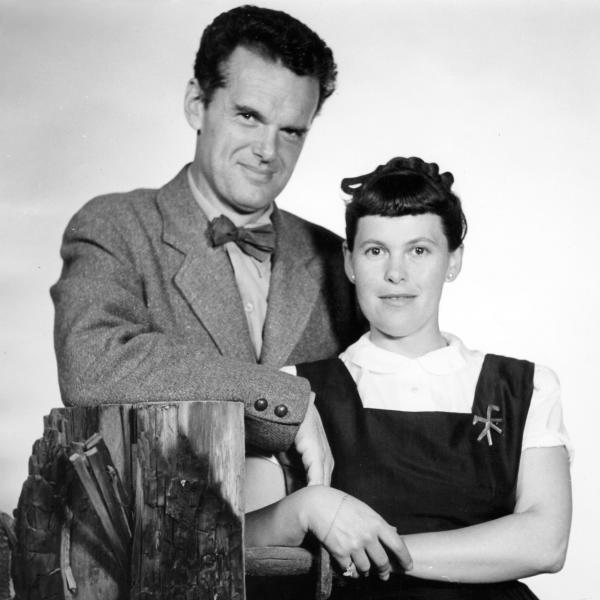
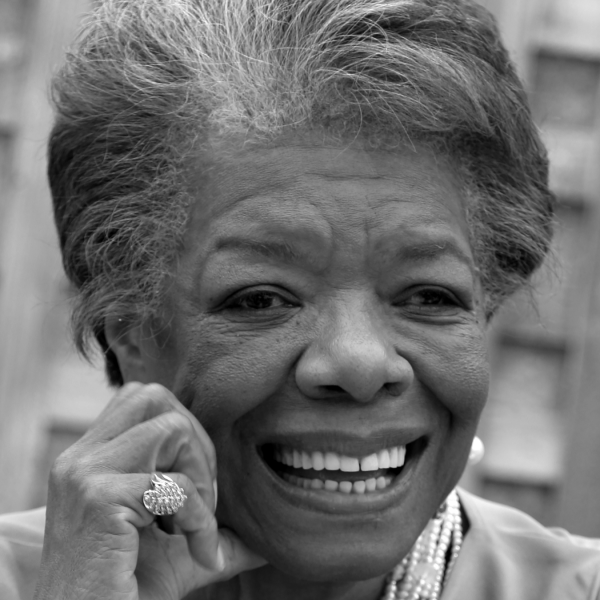
Among the most important American designers of the 20th century,
Charles and Ray Eames made groundbreaking contributions to
architecture, furniture design, industrial design and
manufacturing, toys and the photographic arts.
Artist Bernice “Ray” Kaiser and architect Charles Eames merged
their lives and careers in 1941. Using new materials in
innovative ways, they produced influential and enduring
designs. During WWII they designed and successfully
proposed to the Navy the production of molded plywood splints and
stretchers to better serve the wounded. After the war, they
returned to their design of furniture; the resulting molded
plywood chair was called “the design of the century” by Time
Magazine in their Millennium Issue. In the 1950s, the Eameses
continued their work in architecture and modern furniture design,
and pioneered innovative technologies, such as the plastic resin
and wire mesh chairs designed for Herman Miller.
Their groundbreaking Eames House is a milestone of modern
architecture and National Historic Landmark. Their film
Powers of Ten is on the National Film Register — and continues
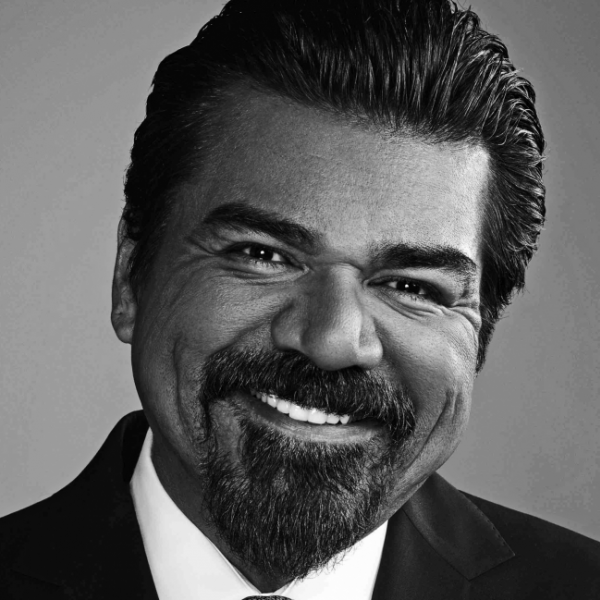
to be used in schools. Their exhibit Mathematica is still
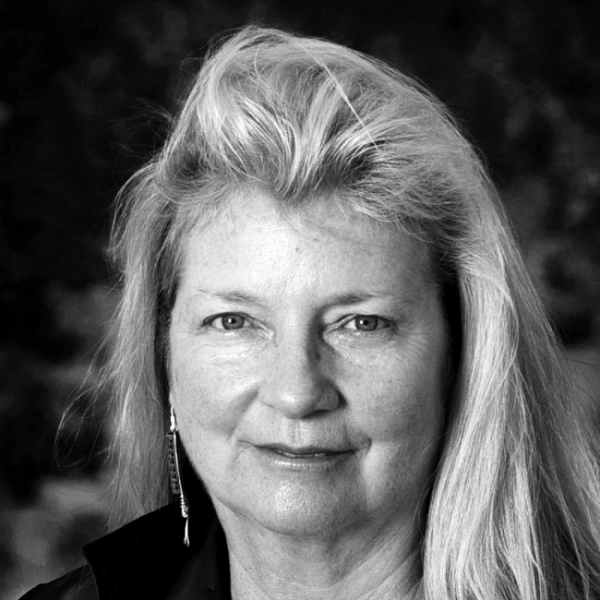
considered a model for science exhibits and has been on
continuous display for over 50 years. Most of their furniture
designs remain in production today.
Selected Awards/Recognition:
• U.S. Postal Service stamps
• Royal Institute of British Architects Royal Gold Medal
• Raised in Stockton, CA; has lived and worked in California ever
since
Achievements:
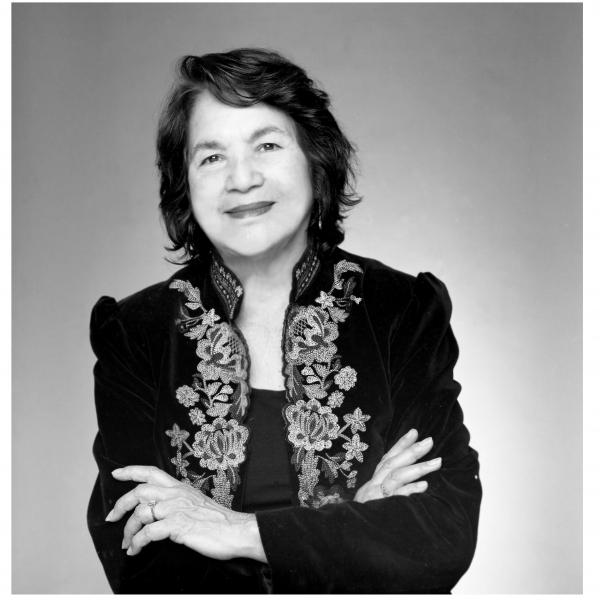
One of the most famous Latinas in the Unites States, Dolores
Huerta has played a major role in the American civil rights
movement as a community organizer and social activist for over 50
years. She is perhaps most widely known as co-founder of
the United Farm Workers (UFW). A staunch advocate for
women’s rights and reproductive freedom, Huerta is a founding
board member of the Feminist Majority Foundation and serves on
the board of Ms. Magazine. She is a former UC Regent and has
earned nine honorary doctorates from universities throughout the
country. She frequently speaks at universities and organizational
forums on issues of social justice and public policy. She
continues working to develop community leaders and advocating for
the working poor, immigrants, women and youth as President of the
Dolores Huerta Foundation.
Selected Awards/Recognition:
• Presidential Medal of Freedom
• U. S. Department of Labor Hall of Honor
• Smithsonian Institution – James Smithson Award
• National Women’s Hall of Fame
• American Civil Liberties Union (ACLU) Roger Baldwin Medal of

Liberty Award
• The Eugene V. Debs Foundation Outstanding American Award
• The Ellis Island Medal of Freedom Award
• Icons of the American Civil Rights Movement Award
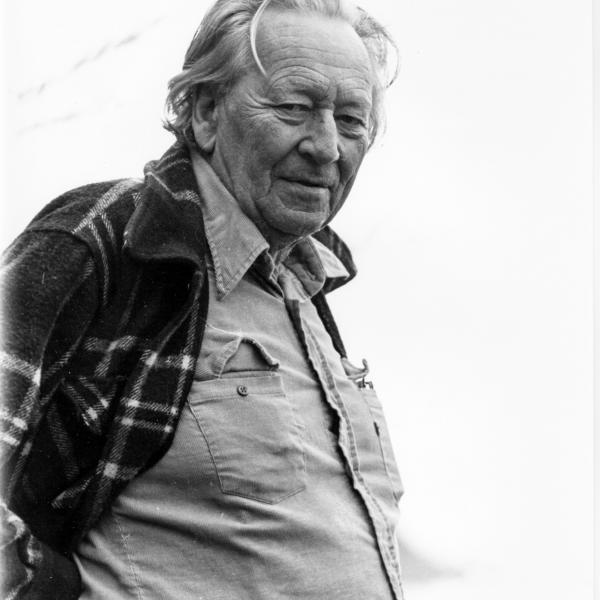
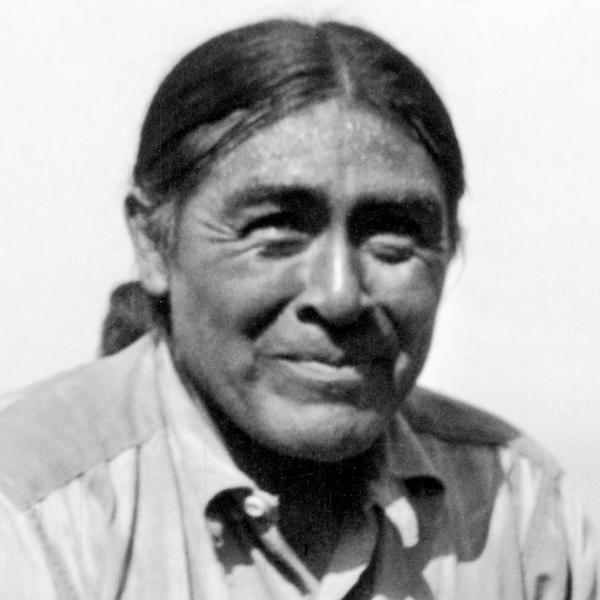
Nearly a century after his death, the man known as Ishi (meaning
“man” in his native language) remains the most famous California
Indian. In 1911, starving and in mourning, Ishi ventured into the
town of Oroville in search of food. He became an overnight
sensation, with newspaper headlines across the country trumpeting
the discovery of the man they called the “last wild Indian.”
Up to that point, Ishi had spent his entire life in hiding with a
few other surviving members of the Yahi People, most of whom had
been wiped out in the preceding decades by disease, starvation
and acts of genocide by white settlers. He would spend the rest
of his years teaching the world about his culture. Given a
home at the University of California’s anthropology museum, he
adapted with grace to his new life, spending his days making
arrowheads – which he often gave as gifts to museum visitors – or
demonstrating fire-building and other Native traditions.
The UC anthropologists learned much about the Yahi culture from
him as he demonstrated tool-making and hunting, and shared his
ancestral stories and songs.
After coming into contact with tuberculosis, Ishi died in 1916.
Ishi’s ashes were placed in a San Francisco-area cemetery, while
his brain was separated and preserved, against his spiritual
beliefs and traditions. In April 2000, Ishi’s brain, which
had been sent to the Smithsonian in Washington, DC., and his
remains were reunited and returned to his closest relations,
members of the Redding Rancheria and Pit River tribes. His
long-awaited traditional service in his homeland began the
healing process for all his relations.
• Played 14 seasons for the San Francisco 49ers, lives in the San
Francisco Bay Area
Achievements:
Widely regarded as one of the greatest quarterbacks of all time,
Joe Montana led the San Francisco 49ers to four Super Bowl
victories. Nicknamed “Joe Cool,” Montana exhibited grace under
pressure that translated to a remarkable 31 fourth quarter
come-from-behind wins in his career.
Montana passed for more than 300 yards in 39 games, including
seven in which he passed for over 400 yards. He won the NFL
passing title in 1987 and 1989, and his six 300-yard passing
performances in the post-season are an NFL record. He also holds
the career playoff record for attempts, completions, touchdowns,
and yards gained passing. In 1994 Montana became just the fifth
quarterback to pass for more than 40,000 yards in a career.
He led his team to the playoffs eleven times, captured nine
division championships and four Super Bowl victories. The only
player ever to win three Super Bowl Most Valuable Player honors,
Montana also holds the record for most Super Bowl pass
completions.
Named All-NFL three times and All-NFC on five occasions, Montana
was voted to the Pro Bowl eight times, which was then a league
record for a quarterback.
Awards/Recognition:
• Pro Football Hall of Fame
• National Football League Most Valuable Player Award (1989 and
1990)
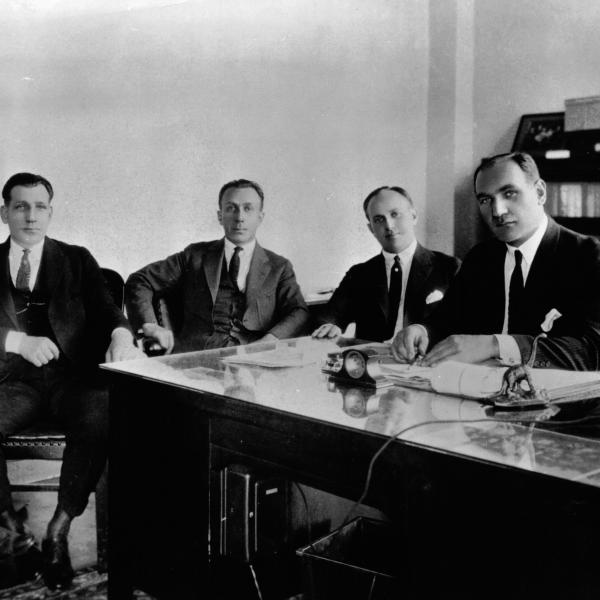
Sons of Jewish Polish immigrants, Warner brothers Harry (born
Hirsz, 1881 – 1958), Albert (born Abraham, 1884 – 1967), Sam
(born Schmuel, 1885-1927) and Jack (born Itzhak, 1892 –1978) got
their start in the new business of movies by opening a theater in
Pennsylvania in 1903. After a time, they moved into movie
production, with Sam and Jack moving to California to capitalize
on the burgeoning movie business there.
Profits from their first hit, My Four Years in Germany
(1918), helped the brothers purchase a studio in Hollywood. Sam
and Jack produced the pictures, while Harry and Albert handled
finance and distribution in New York City. In 1923, following the
studio’s successful film The Gold Diggers, Warner
Brothers, Inc. was officially established. Though it had the
popular German shepherd Rin Tin Tin as a star, the studio was in
dire straits by 1926 when the brothers decided to gamble on
sound.
In 1927, the first feature-length “talking picture,” The Jazz
Singer, broke box-office records, established Warner Bros.
as a major studio, and single-handedly launched the talkie
revolution. In 1929 the Academy of Motion Pictures Arts and
Sciences recognized Warner Bros. with a special Academy Award for
“revolutionizing the industry with sound.”
The studio’s successes included cartoons – the ever-popular Bugs
Bunny – and unforgettable movies such as Casablanca
(1942), the Dirty Harry films, and the Harry
Potter series. Today the company is a leader in the
entertainment industry. The company’s vast library consists of
more than 6,650 feature films, 50,000 television titles and
14,000 animated titles.
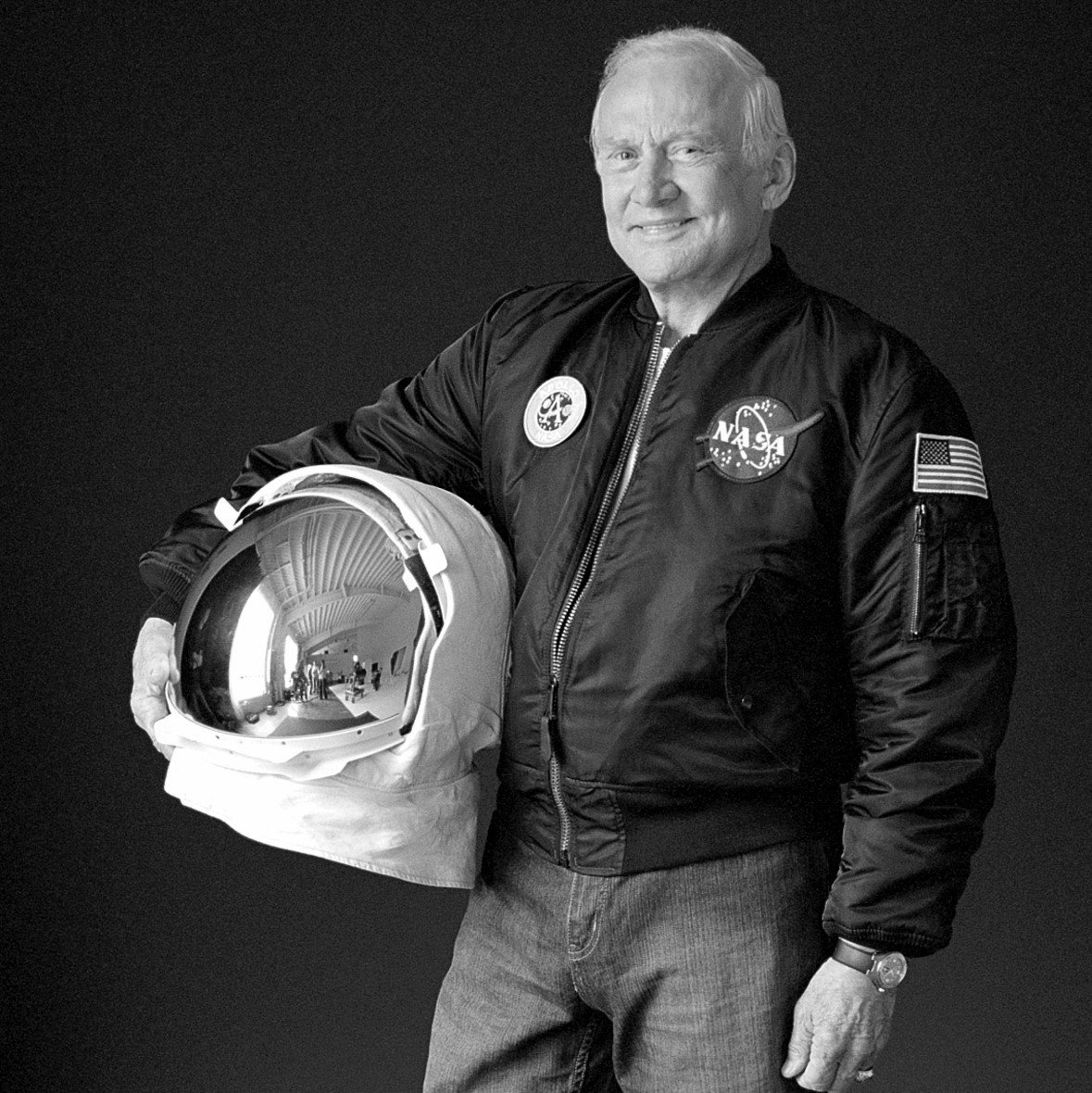
Born in Montclair, New Jersey, Buzz Aldrin is a mechanical
engineer, retired United States Air Force pilot and astronaut
best known for his historic 1969 moonwalk on Apollo 11.
Educated at the US Military Academy at West Point, Aldrin
graduated third in his class with a Bachelor of Science in
Mechanical Engineering. He then joined the Air Force, where he
completed 66 combat missions and earned the Distinguished Flying
Cross. After completing another tour of duty in Germany, he went
on to earn his Doctorate of Science in Astronautics for his
thesis on Manned Orbital Rendezvous at MIT.
Selected into NASA’s third group of astronauts in 1963, was the
first astronaut with a doctorate. The docking and rendezvous
techniques he devised for spacecraft in Earth and lunar orbit
were critical to the success of the Gemini and Apollo programs
and are still in use today. He also pioneered underwater training
techniques, as a substitute for zero gravity flights, to simulate
spacewalking.
On the Gemini 12 orbital mission in 1966, he performed the
world’s first successful spacewalk and set a new extra vehicular
activity record of 5 ½ hours. On the Apollo 11 mission in 1969,
Aldrin became one of the first humans to set foot on the moon and
received the Presidential Medal of Freedom for the historic
achievement.
Since retiring from his position as Commandant of the US Air
Force Test Pilot School at Edwards Air Force Base, Aldrin has
continued to pioneer advancements in space exploration. He
devised a master plan for missions to Mars called the “Aldrin
Mars Cycler,” a spacecraft transportation system with perpetual
cycling orbits between Earth and Mars.
Currently residing in Los Angeles, Aldrin has received numerous
awards for his accomplishments, including a star on the Hollywood
Walk of Fame. He is also the author of 7 New York Times
bestselling books, including the illustrated children’s books
Reaching for the Moon andLook to the Stars and the 2009
autobiography Magnificent Desolation.
Elizabeth H. Blackburn is a leader in telomere and telomerase
research. She discovered the molecular nature of telomeres – the
ends of eukaryotic chromosomes that serve as protective caps
essential for preserving the genetic information – and the
ribonucleoprotein enzyme telomerase.
Currently Morris Herzstein Professor of Biology and Physiology in
the Department of Biochemistry and Biophysics at the University
of California, San Francisco, Blackburn and her research team are
working with various cells with the goal of understanding
telomerase and telomere biology.
Blackburn earned her B.Sc. (1970) and M.Sc. (1972) degrees from
the University of Melbourne in Australia, and her Ph.D. (1975)
from the University of Cambridge in England. She did her
postdoctoral work in Molecular and Cellular Biology from 1975 to
1977 at Yale.
In 1978, Blackburn joined the faculty at the University of
California, Berkeley, in the Department of Molecular Biology. In
1990, she joined the Department of Microbiology and Immunology at
UC San Francisco, where she served as Department Chair from 1993
to 1999. Blackburn is currently a faculty member in Department of
Biochemistry and Biophysics at UCSF. She is also a Non-Resident
Fellow of the Salk Institute.
Throughout her career, Blackburn has been honored with many
prestigious awards. She was elected President of the American
Society for Cell Biology (1998) and as a Fellow of the American
Academy of Arts and Sciences (1991), the Royal Society of London
(1992), the American Academy of Microbiology (1993), and the
American Association for the Advancement of Science (2000). She
was elected Foreign Associate of the National Academy of Sciences
in 1993, and a Member of the Institute of Medicine in 2000. In
2006, she was awarded the Albert Lasker Medical Research Award in
Basic Medical Research. In 2007, she was named one of TIME
magazine’s “100 Most influential People,” and she is the 2008
North American Laureate for L’Oreal-UNESCO For Women in Science.
In 2009, Blackburn was awarded the Nobel Prize in Physiology or
Medicine.
Fr. Gregory Boyle was born in Los Angeles, one of eight children.
Ordained a priest in 1984, he has worked in various locations in
the U.S. and abroad, but is best known for his service as pastor
of Dolores Mission in the Boyle Heights neighborhood of Los
Angeles and for his creation of Homeboy Industries. This
organization traces its roots to a program he created in 1988 to
address the problems of gang-involved youth through positive
alternatives, including establishing an elementary school, a day
care program, and finding legitimate employment for young people.
In 1992, as a response to the civil unrest in Los Angeles, Fr.
Boyle launched Homeboy Bakery to create an environment that
provided training, work experience, and above all, the
opportunity for rival gang members to work side by side. Its
success laid the groundwork for additional businesses, prompting
the creation of an independent non-profit organization, Homeboy
Industries, in 2001. Today it is the largest gang intervention
and re-entry program in the county, and has become a national
model.
An acknowledged expert on gangs and intervention approaches, Fr.
Boyle is a nationally renowned speaker. He serves on the National
Gang Center Advisory Board and the Advisory Board for the Loyola
Law School Center for Juvenile Law and Policy. Previously, he
held an appointment to the California Commission on Juvenile
Justice, Crime and Delinquency Prevention.
Fr. Boyle has received numerous accolades and recognitions on
behalf of Homeboy and for his work with former gang members,
including the California Peace Prize granted by the California
Wellness Foundation, the Lifetime Achievement Award from MALDEF,
the Civic Medal of Honor from the Los Angeles Chamber of Commerce
and the James Irvine Foundation’s Leadership Award.
His first book, “Tattoos on the Heart: The Power of Boundless
Compassion,” was named as one of the Best Books of 2010 by
Publishers Weekly.
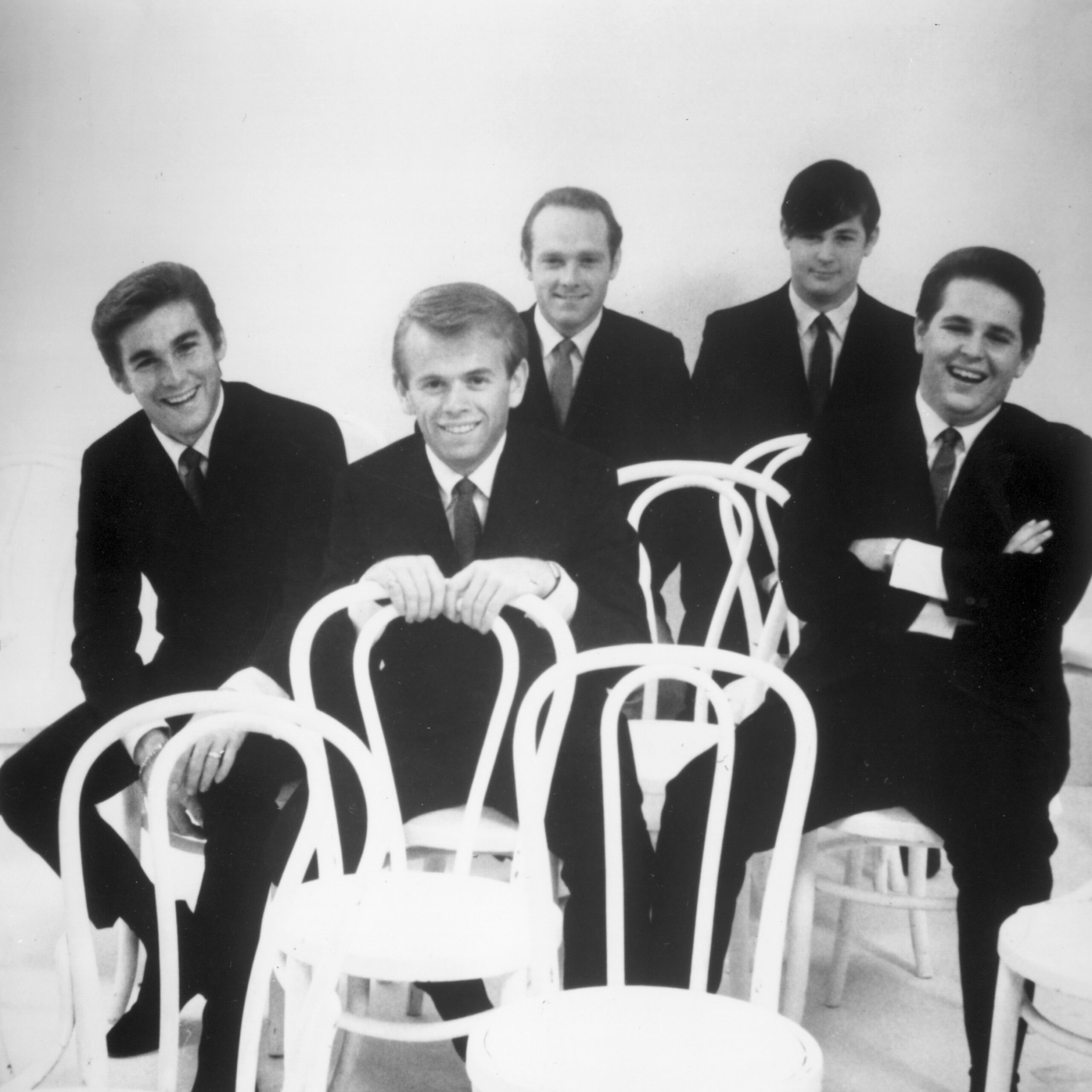
The Beach Boys’ music, with its trademark harmonies and lyrics,
has brought the spirit of California all around the world.
Perhaps more than any other musicians, the Beach Boyshave
symbolized the California Dream for over 50 years.
Formed in Hawthorne, California, the original group consisted of
five young men: Wilson brothers Brian, Dennis and Carl, their
cousin Mike Love and friend Al Jardine. Brian’s remarkable
musical abilities, particularly his brilliance with harmonies and
chord progressions, were complimented by Mike’s lyrical,
conceptual, and vocal abilities. The two co-wrote the band’s
first recording, “Surfin’,” which debuted the fall of 1961, and
the band’s first concert was New Year’s Eve that same year. Soon
“Surfin’ Safari” got the attention of Capitol Records, and its
release in 1962 began the Beach Boys’ touring career.
The Beach Boys gained immediate popularity for their vocal
harmonies and lyrics reflecting Southern California’s youth
culture of surfing, cars and romance. At the height of their
career, they challenged the Beatles in both commercial and
critical appeal.
Their album Pet Sounds and their best-known single, “Good
Vibrations,” frequently rank high on critics’ lists of the
greatest albums and singles of all time. The group has had 36 Top
40 hits (the most by any American rock band) and 56 Hot 100 hits,
including four number-one singles in the U.S. Rolling
Stone listed the Beach Boys at number 12 on their 2004 list
of the “100 Greatest Artists of All Time.”
The Beach Boys’ recognition has included the Rock and Roll Hall
of Fame, the Vocal Group Hall of Fame, the Grammy Lifetime
Achievement Award and the Hit Parade Hall of Fame.
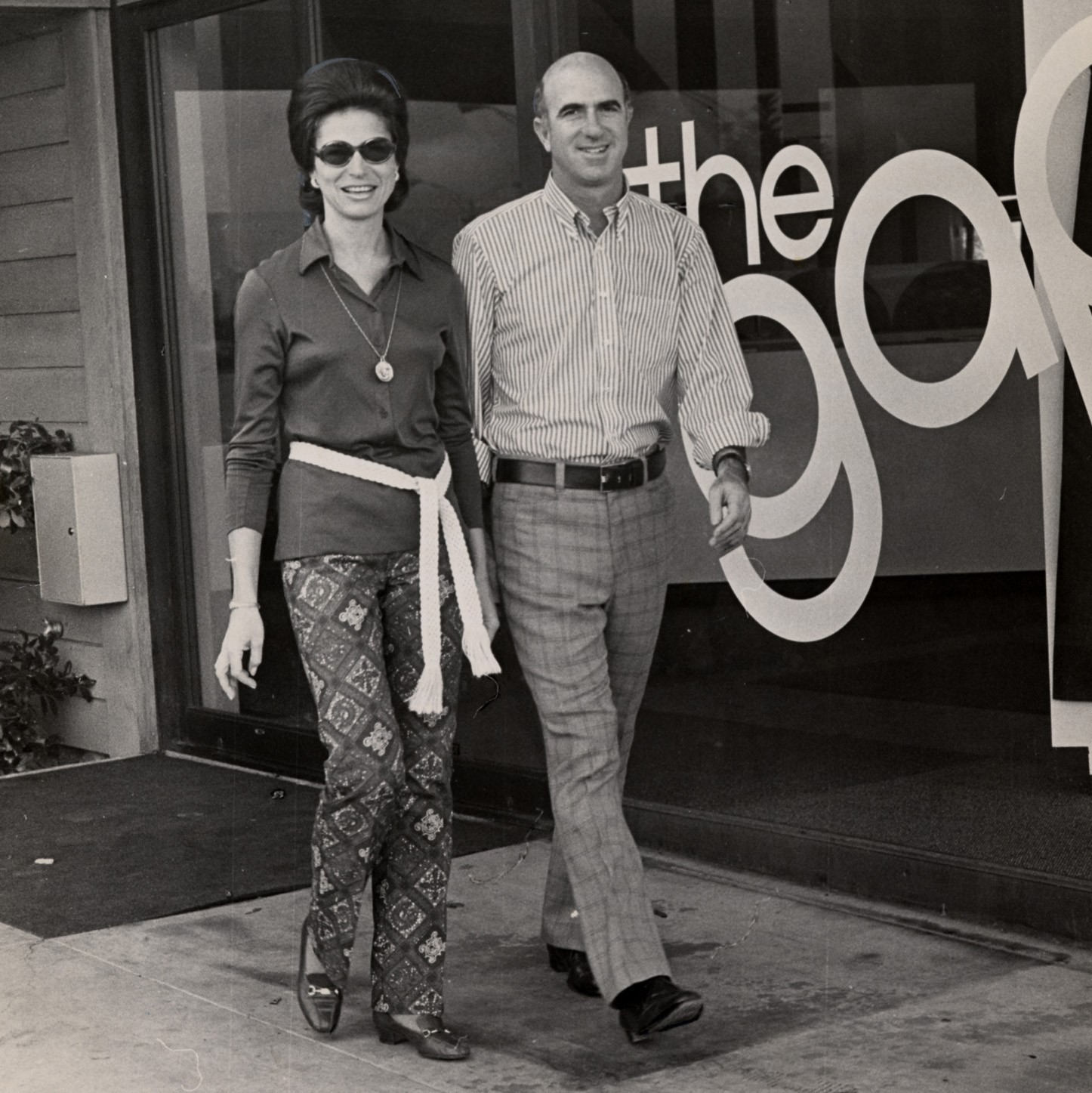
Doris and Don Fisher had a simple idea: to make it easier to find
a pair of jeans. In 1969, they revolutionized the retail
industry by opening the first Gap store on Ocean Avenue in San
Francisco.
The Fishers, both born in San Francisco, were long-time family
friends prior to marrying in 1953. Doris graduated from Stanford
University, as one of the first women to earn an Economics
degree. Don was refurbishing old hotels when a “lucky” happening
occurred: he leased space to a Levi’s® jeans salesman. Don bought
two pair of pants from the man, and when he found that they
didn’t fit, he and Doris began a search for the right size at
clothing stores in San Francisco. Their futile search ended with
the idea that would lead to the Gap. With no retail experience,
Doris and Don opened that first Gap store, selling Levi’s jeans
and records. They delivered a shopping experience that was fun
and the concept caught on. Credited with inventing specialty
retail, the Fishers grew their company into a major global brand
with more than 3,200 stores. The company portfolio today includes
Gap, Banana Republic, Old Navy, Piperlime and Athleta.
To inspire and support Gap Inc. employees and customers to invest
in the communities where they work and live, the Fishers formed
Gap Foundation in 1977. The Fishers used the rewards of Gap Inc.
to further personal commitments to education, the arts and
community.
They became champions of public school reform organizations,
including Teach For America. One of their most inspirational
projects is growing KIPP (Knowledge is Power Program) schools, a
unique network of free, college-preparatory schools that now
reaches over 32,000 low-income children.
Considered among the premiere collectors of contemporary art, the
Fishers selected pieces that they could share and encourage a
love of art. Their collection, with some 1,100 pieces by renowned
names like Andy Warhol, Chuck Close and Roy Lichtenstein, will be
permanently housed at the San Francisco Museum of Modern Art.
Both Doris and Don demonstrated their desire to make a
difference. They are known around the world for being in the
business of improving lives of those they reach – through their
business, civic, and nonprofit commitments.
Earvin “Magic” Johnson is an NBA superstar, entrepreneur and
philanthropist.
Named the greatest point guard of all time by ESPN.com, Johnson
excelled at basketball from the time he was in high school. In
college, he helped Michigan State win the national championship
and was chosen MVP. The Lakers selected him as the first pick in
the 1979 NBA draft, and he became the first rookie to start in an
All-Star game. The Lakers won the NBA championship, and Johnson
became the youngest player to be playoff MVP.
During his 12 years with the Lakers, the team won five
championships and he was chosen playoff MVP three times. He was a
12-time All-Star and the 1990 All-Star game MVP. He averaged 19.7
points per game, pulled down 6,376 rebounds, and had 1,698
steals. In 1990–91, he set an assist record, finishing the season
with a total of 9,921. The term “triple double” (when points,
rebounds, and assists reach double digits in a game) was coined
largely for him. Johnson was a member of the gold-medal-winning
U.S. basketball team – known as the “Dream Team” – in the 1992
Olympics.
After learning he was HIV-positive in 1991, Johnson became a
powerful voice for AIDS awareness. He is Chairman and Founder of
the Magic Johnson Foundation, which focuses on scholarship,
transformation and community empowerment through HIV/AIDS
awareness & prevention programs, Community Empowerment
Centers, and the Taylor Michaels Scholarship Program. Approaching
its 20th anniversary, the Magic Johnson Foundation has become one
of the most recognizable philanthropic organizations in the
world.
Also a successful businessman, Johnson is Chairman and CEO of
Magic Johnson Enterprises. His company is noted for unprecedented
partnerships in ethnically diverse and underserved communities
that serve as the catalyst for redevelopment in urban communities
and the blueprint for successful engagement with urban consumers.
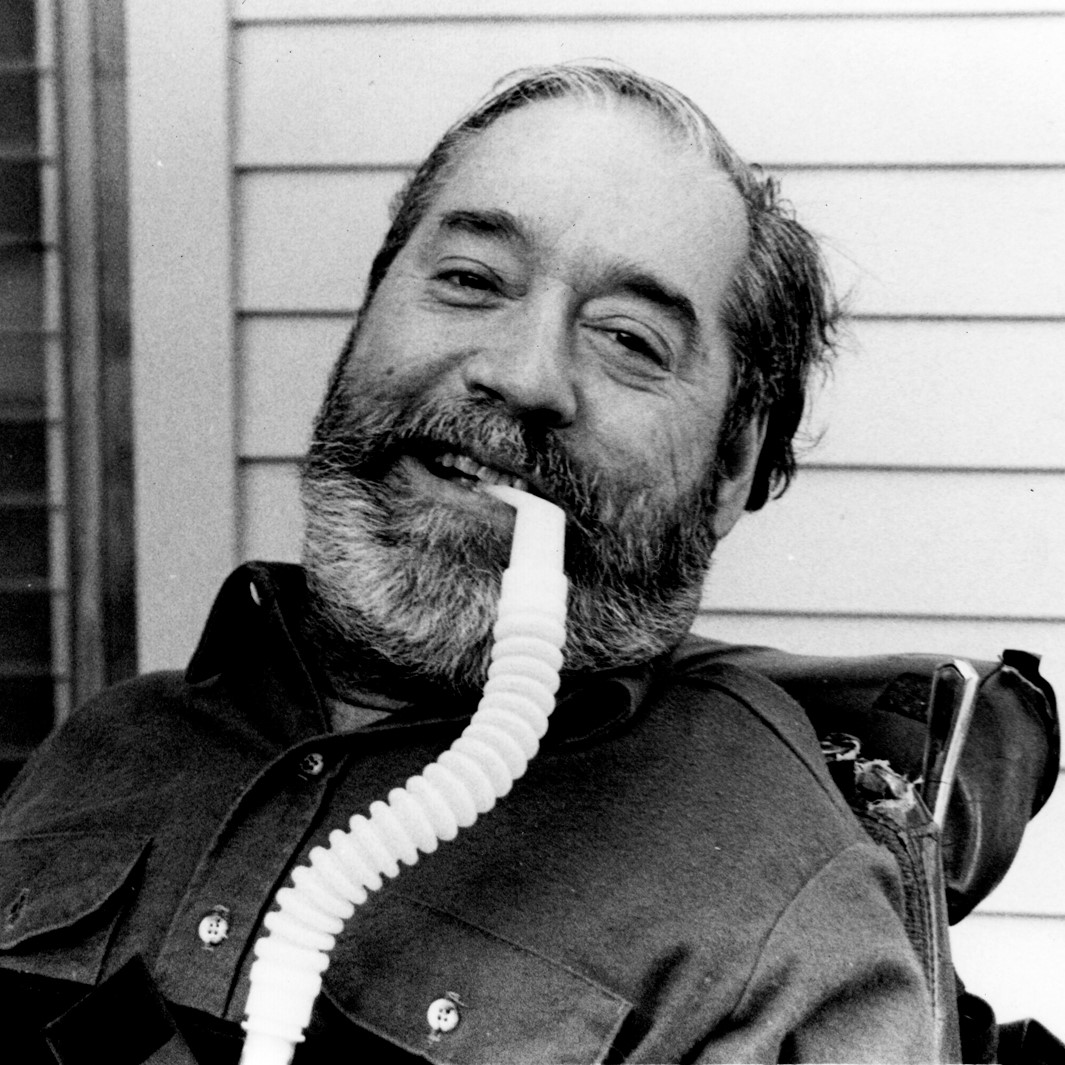
A civil rights leader for people with disabilities, Ed Roberts is
recognized as the father of the independent living
movement. After contracting polio at age 14 that left him
paralyzed from the neck down and dependent on a ventilator to
breathe, he embarked on a path that changed the world.
Although Roberts excelled in his high school classes, the school
refused to graduate him because he had not taken physical
education or driver’s education classes. Roberts won that battle,
as he would many more throughout his life.
Next, he decided to pursue a public policy degree at UC Berkeley.
Told that education would be wasted on him, he persevered and
became the first student with severe disabilities ever admitted.
Before long, others joined him there, and, taking inspiration
from the feminist and civil rights movements, they organized to
gain better accessibility on campus and in the community. Roberts
knew all too well the barriers that prevented people with
disabilities from exercising their rights to be integrated into
society, and dedicated his life to dismantling them. Ramps and
curb cuts – the first one in the nation was at Telegraph and
Bancroft – were early successes. Eventually, Roberts would help
shape access regulations that became the basis of a worldwide
revolution in civic architecture.
Roberts also targeted paternalistic policies that discouraged
people with disabilities from controlling their own lives and
segregated them in separate schools and housing. While completing
his BA and MA, Roberts helped launch the Physically Disabled
Students Program, America’s first student-led disability services
program. He also helped create the first Center for Independent
Living, which served as a model for hundreds of similar
organizations nationwide.
In 1976, Governor Edmund G. Brown, Jr. appointed Roberts Director
of the California Department of Vocational Rehabilitation – the
same agency that had once labeled him too severely disabled to
work at all. There, Roberts changed policy to provide resources
to people with severe disabilities, which became federal
rehabilitation policy. In 1983 he co-founded the World Institute
on Disability (WID) and, using the funds from his MacArthur
Foundation fellowship, began spreading the concept of independent
living all over the world. He served as president of WID
until his death in 1995.
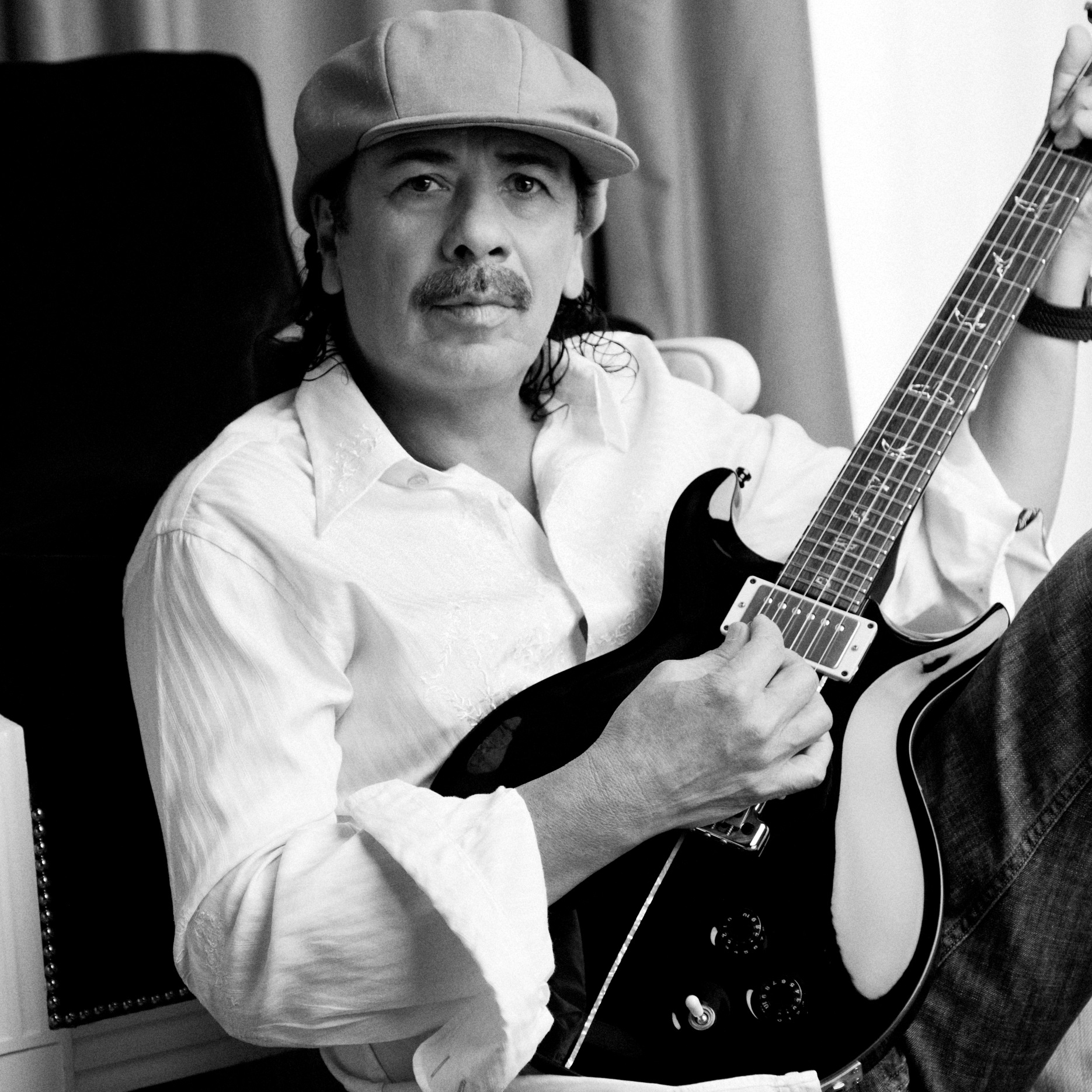
Delivered with a level of passion and soul equal to the sonic
charge of his guitar, the sound of Carlos Santana is one of the
world’s best-known musical signatures. For over four decades,
Carlos has been the visionary force behind music that transcends
genres as well as cultural and geographical boundaries.
After first rising to fame during the late ’60s San Francisco Bay
area music scene, Santana emerged onto the global stage with an
epic set at Woodstock ’69, the same year that his self-titled
debut LP came out. Featuring Santana’s first hit, “Evil
Ways,” the album stayed on Billboard’s album chart for 2 years
and was soon followed by two more classics – and Billboard #1s –
Abraxas and Santana III.
Over the last 40 years of his career, Santana has sold more than
90 million records and reached over 100 million fans in concerts
around the world. To date, he has won ten Grammy Awards,
including a record-tying nine for a single project for his 1999
release Supernatural (including Album of the Year and Record of
the Year for “Smooth”). In 1998, Santana was inducted into the
Rock and Roll Hall of Fame. Rolling Stone ranked him at #15 on
the list of the “100 Greatest Guitarists of All Time,” and #90 on
the 2005 list of “100 Greatest Artists of All Time.”
With his latest album release in 2010, Santana joined the ranks
of the Rolling Stones as the only two musical acts in chart
history to score at least one Top 10 album in every decade since
the 1960s. In 2009, Santana was the recipient of Billboard Latin
Music Awards’ Lifetime Achievement honor, and in 1996,
Billboard’s Century Award.
In 1998, Santana established The Milagro Foundation, a non-profit
entity designed to support underserved children and youth through
funding arts, education and health around the globe.
Born in Oakland, California, to Chinese immigrants, Amy Tan
rejected her mother’s expectations that she become a doctor and
concert pianist. She chose to write fiction instead. Her novels
are “The Joy Luck Club,” “The Kitchen God’s Wife,” “The Hundred
Secret Senses,” “The Bonesetter’s Daughter” and “Saving Fish from
Drowning,” all New York Times bestsellers and recipients
of various awards. She is also the author of a memoir, two
children’s books, and numerous magazine articles. Her work has
been translated into 35 languages.
Tan served as co-producer and co-screenwriter for the film
adaptation of The Joy Luck Club. She was the creative consultant
for Sagwa, an Emmy-nominated PBS children’s television series
based on her book. She performed as narrator with the San
Francisco Symphony and the Hollywood Bowl Orchestra. Her short
story “Immortal Heart” was published in The New Yorker
and performed on stages in the U.S. and France. Her essays and
stories are found in hundreds of anthologies and textbooks, and
they are assigned as “required reading” in many high schools and
universities.
Recently, Tan wrote the libretto for “The Bonesetter’s Daughter”
opera, which had its world premiere at the San Francisco Opera in
September of 2008. Her other musical work for the stage is with a
literary garage band, the Rock Bottom Remainders, whose members
include Stephen King, Dave Barry, and Scott Turow. In spite of
their dubious talent, their yearly gigs have managed to raise
over a million dollars for literacy programs.
Her next novel, “The Valley of Amazement,” will be published in
2012. A lifelong California resident, Tan currently lives in
Sausalito.
The son of Irish immigrants, Roger Traynor was born and raised in
the mining town of Park City, Utah. From the time he was a boy,
he displayed a love of learning and a commitment to his studies,
so it was no surprise that his teachers encouraged him to pursue
his education after graduating high school. He arrived at UC
Berkeley in 1919 with savings of $500 and a fervent hope that he
could earn his way through college. He did so through his studies
– at the end of his freshman year, his academic record earned him
a scholarship that took him to graduation with highest honors.He
went on to teach at the university, while also working toward a
PhD in political science and a law degree, both of which he
earned in 1927.
He became a full-time member of the UC Berkeley law school
faculty in 1930, where he initiated the first regular course in
taxation. He earned a reputation as an inspiring teacher, and one
whose students were actively pursued by law firms. During the
1930s he brought his expertise to bear in helping the Legislature
draft much of the state’s modern tax code. Then, working with the
State Board of Equalization, Traynor was responsible for creating
the mechanisms for collecting the newly-enacted sales tax, a
system that became nationally known as a model of efficiency.
In 1940, although he had no judicial experience, Governor Culbert
Olson tapped him for the California Supreme Court, where he
served as Associate Justice from 1940-1964 and as Chief Justice
from 1964-1970. He authored over 900 decisions, many of which
rank among the Court’s most innovative and influential. During
his tenure, the decisions of the California Supreme Court became
the most frequently cited by all other state courts in the
nation.His 1948 opinion in Perez v. Sharp was the first instance
of a state supreme court striking down a law prohibiting
interracial marriage. In 1952 he issued an opinion that paved the
way for no-fault divorce. And he is perhaps best known for
creating the area of law now known as products liability.
His many awards include the American Bar Association’s highest
award for jurisprudence, the Whyte School of Law Medallion, and
the ACLU Earl Warren Civil Liberties Award.
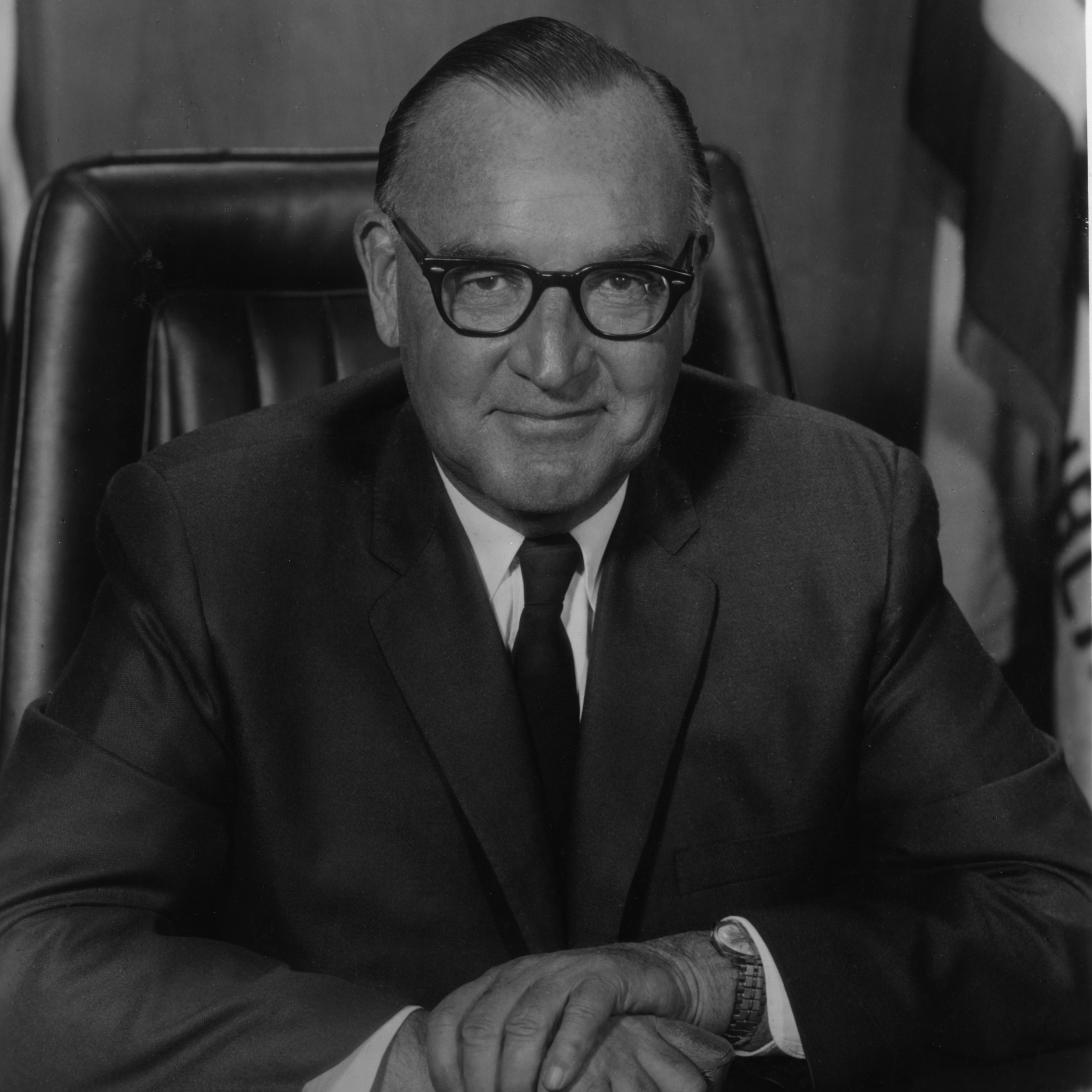
Governor Edmund G. “Pat” Brown ushered in a golden age, making
California famous for having the biggest water system, the best
higher education, the longest highways, and an economy exceeding
that of nations.
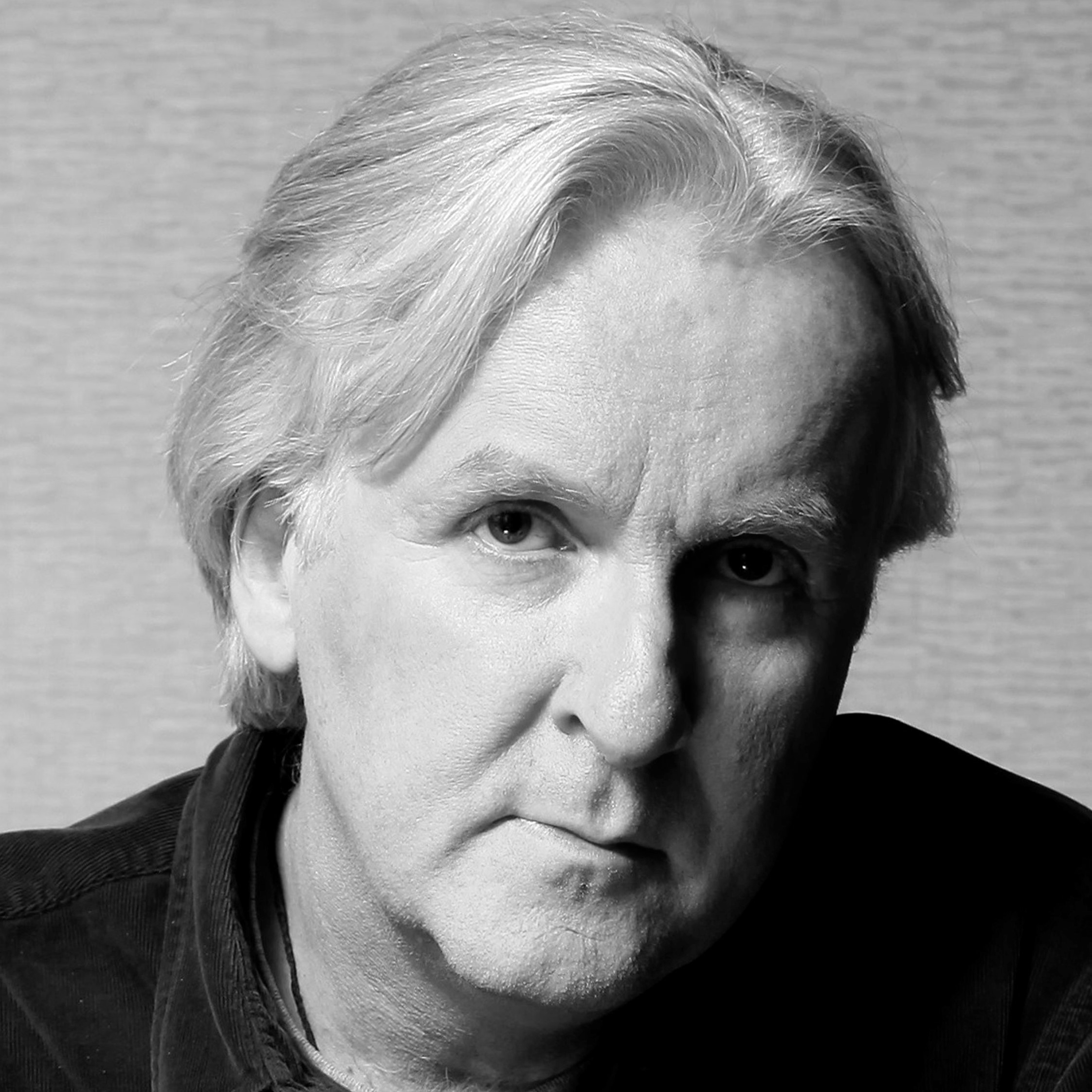
Born in Kapuskasing, Ontario, Canada, James Cameron grew up in
the historic village of Chippawa, near Niagara Falls. In
1971, he moved to Brea, California where he studied physics at
Fullerton Junior College while working as a machinist and, later,
a truck driver. Cameron quit his trucking job in 1978 and raised
money from local dentists to produce a 35mm short film.
The visual effects in this film led to work on Roger Corman’s
Battle Beyond the Stars (1980).
One of Silicon Valley’s most successful venture capitalists, John
Doerr’s keen eye for technological innovation has helped write
the success stories of companies like Amazon, Google, Compaq,
Intuit and Symantec.
Amadeo Peter Giannini is recognized today as the father of modern
consumer banking. His persistence in innovation and respect for
the common man gave the world its finest example of banking with
a conscience.
Born in California’s Santa Clara Valley of Italian immigrant
parents, Giannini left school at age thirteen to work with his
stepfather in the produce business.
“Legend” is the word usually used to describe Merle Haggard. It’s
an acknowledgement of his artistry and his standing as “the poet
of the common man;” a tribute to his commercial success and to
the lasting mark he has made, not just on country music, but on
American music as a whole. It’s apt in every way but one: it
suggests loftiness at odds with the grit and heart of Haggard’s
songs.
Born near Bakersfield, California, Haggard was the son of
Oklahoma Dust Bowl-era migrants.
With self-deprecating humor, ruthless honesty, and unflagging
compassion, author Anne Lamott has inspired her readers by
sharing her own often difficult life experiences, earning the
moniker “the people’s author.”
A native San Franciscan, Lamott wrote her first novel for her
father when he was diagnosed with brain cancer as “a present to
someone I loved who was going to die.” Since then she has
published six additional novels and five nonfiction books.
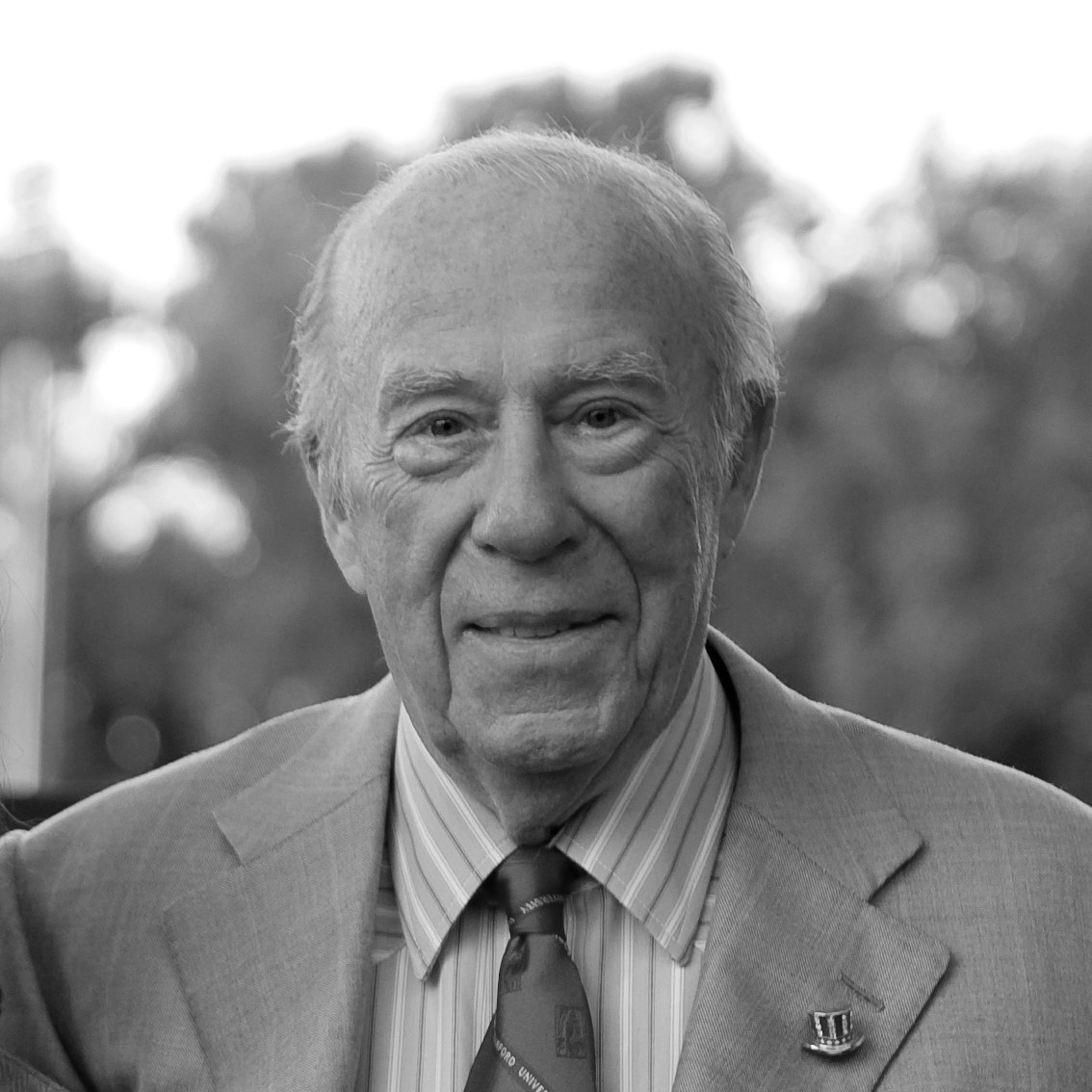
Although he has often worked outside the spotlight, George Pratt
Shultz has wielded profound influence on American public policy.
He is one of a handful of people who have held four different
federal cabinet posts; he has taught at three top universities;
and he was president of a major engineering and construction
company.
Shultz has an impressive record in academia. After graduating
from Princeton, he served in the Marine Corps during World War
II. He then resumed his studies at MIT, where he earned a Ph.D.
For almost forty years, while the rest of us have been living the
California Dream, Dr. Kevin Starr has been pondering it,
dissecting it, and writing about it. His books provide insight
into why so many people are drawn to California from all over the
world, and why California has always been a place where dreams
have been both realized and shattered.
He has shown that California is not merely a place, but an idea,
and it is the idea of California that keeps the dream alive.
Levi Strauss brought the world a simple but revolutionary product
that today is hard to imagine doing without: blue jeans.
Strauss came to the United States from his native Bavaria in
1847, joining his brothers in their wholesale dry goods business
in New York City. In 1853 he moved to San Francisco to open
a West Coast branch of the family business, which he named for
himself: Levi Strauss & Co.
Barbra Streisand is legendary around the world as an actress,
singer, director, writer, composer, producer, designer, activist,
and philanthropist. She is the only artist ever to receive the
Oscar, Tony, Emmy, Grammy, Directors Guild of America, Golden
Globe, National Endowment for the Arts and Peabody Award, and is
the only female director to receive the Kennedy Center Honors.
While a teenager, Streisand plunged into show business by winning
a singing contest at a small Manhattan club. In everything she
tried, she was a brilliant success from the start.
Best known for his joyful depictions of pies and cakes rendered
in paint thick as frosting, Wayne Thiebaud is one of those rare
artists whose work is both celebrated by critics and loved by
those outside the art world.
Born in Arizona, he moved with his family to Long Beach,
California, when he was a child. His art career got an early
start – he was just sixteen when he got a job in the animation
department of Walt Disney Studios.
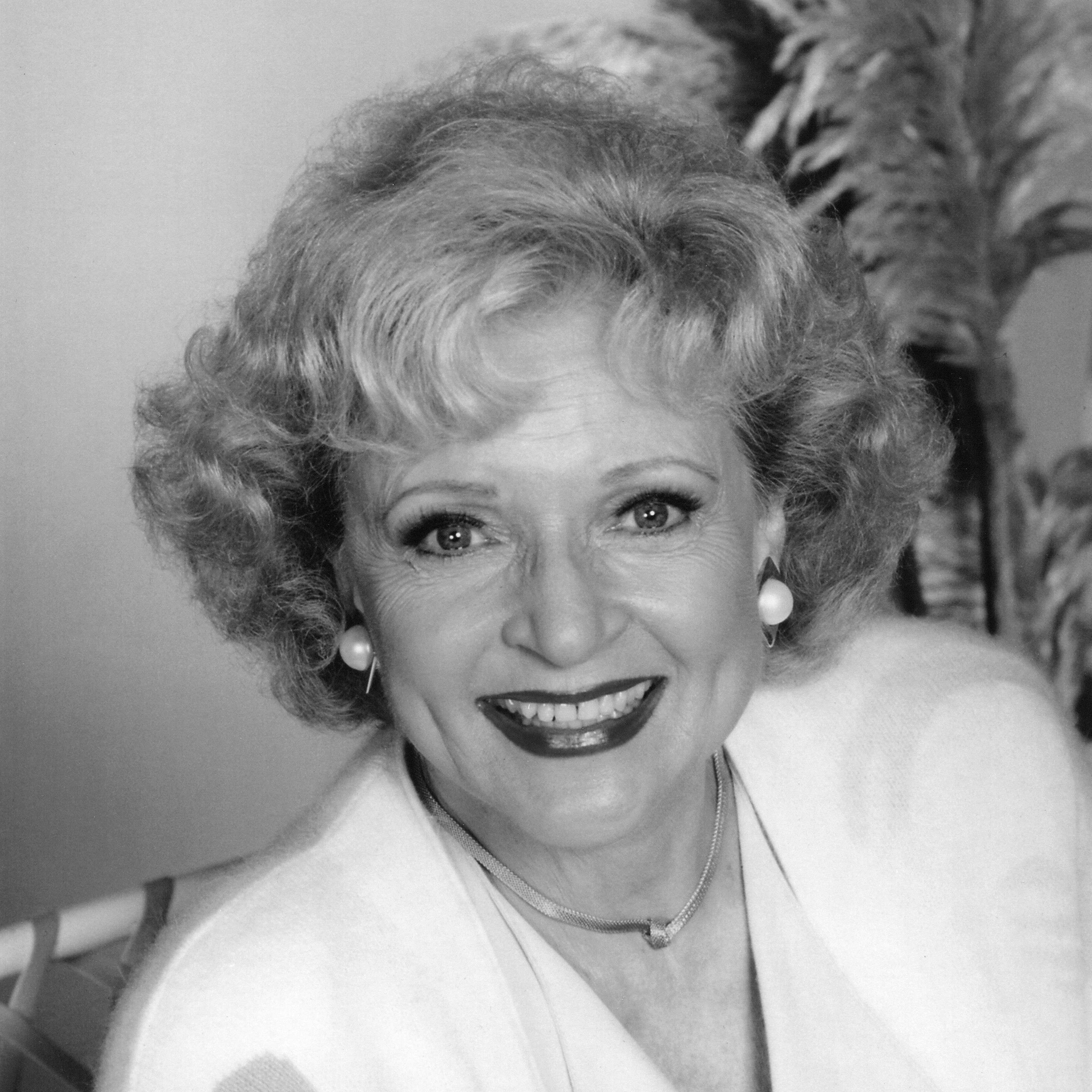
One of the most beloved and lasting figures in television, Betty
White has attracted an ever-growing legion of fans with starring
roles and guest appearances over six decades.
White was born in Illinois, but moved to California as a toddler
and attended school in Beverly Hills, where she often appeared in
class drama productions.
Currently ranked the number one female tennis player in the
world, Serena Williams has transcended sports to become a pop
culture icon who devotes her considerable energy to improving
children’s lives.
Mark Zuckerberg, CEO of Facebook, took a small campus-only
project and turned it into one of the world’s most popular
Internet services. Today, Facebook helps over 400 million people
worldwide communicate more efficiently with their friends, family
and coworkers.
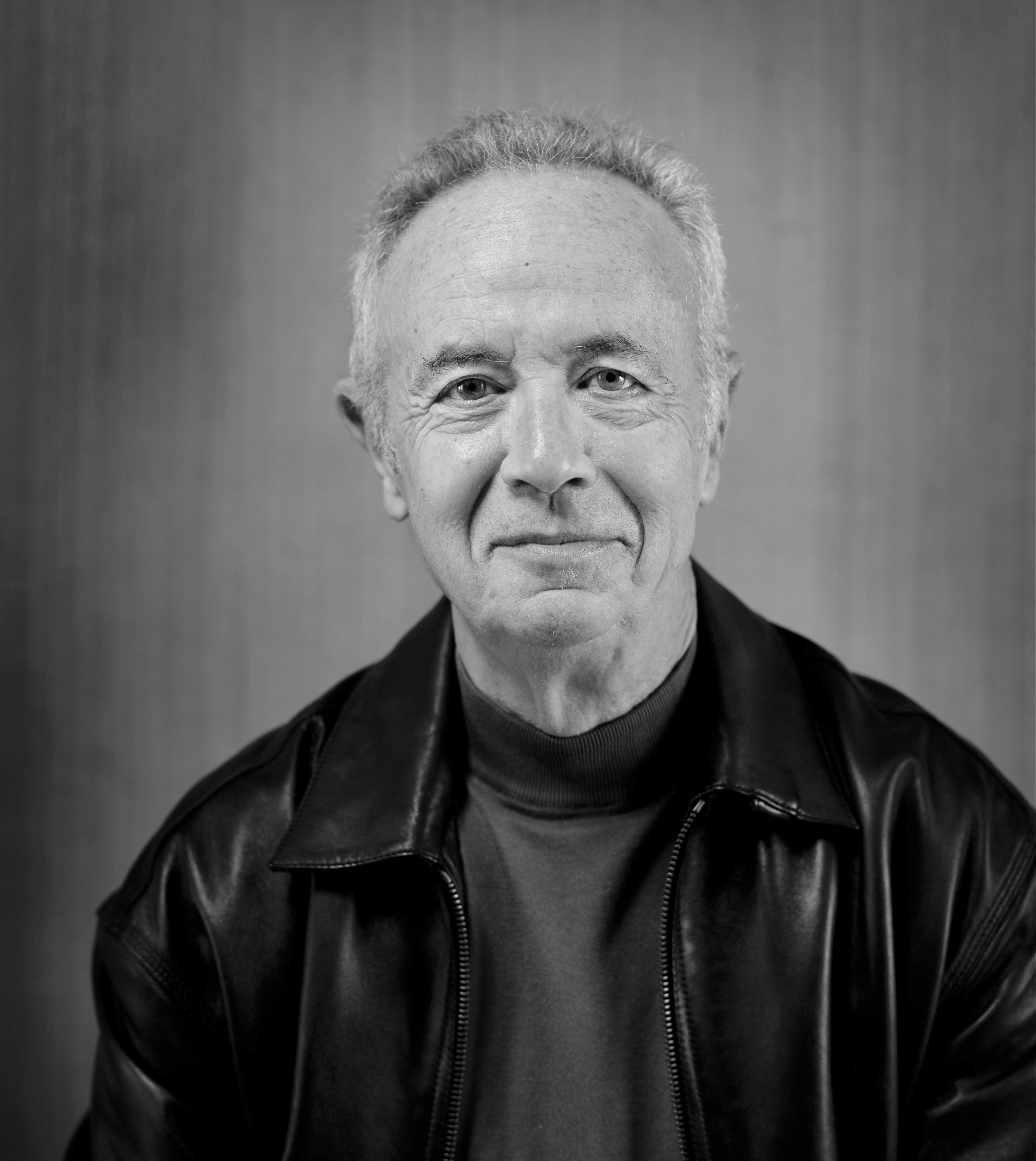
As the person most responsible for harnessing the power of the
microchip, Andrew Grove revolutionized the way we work and live
today.
Grove came to the United States as a refugee from Soviet-occupied
Hungary and earned his PhD in chemical engineering from UC
Berkeley in 1963. After working for Fairchild Semiconductor, he
participated in the founding of Intel Corporation in 1968, became
president in 1979, and later served as CEO and chairman.
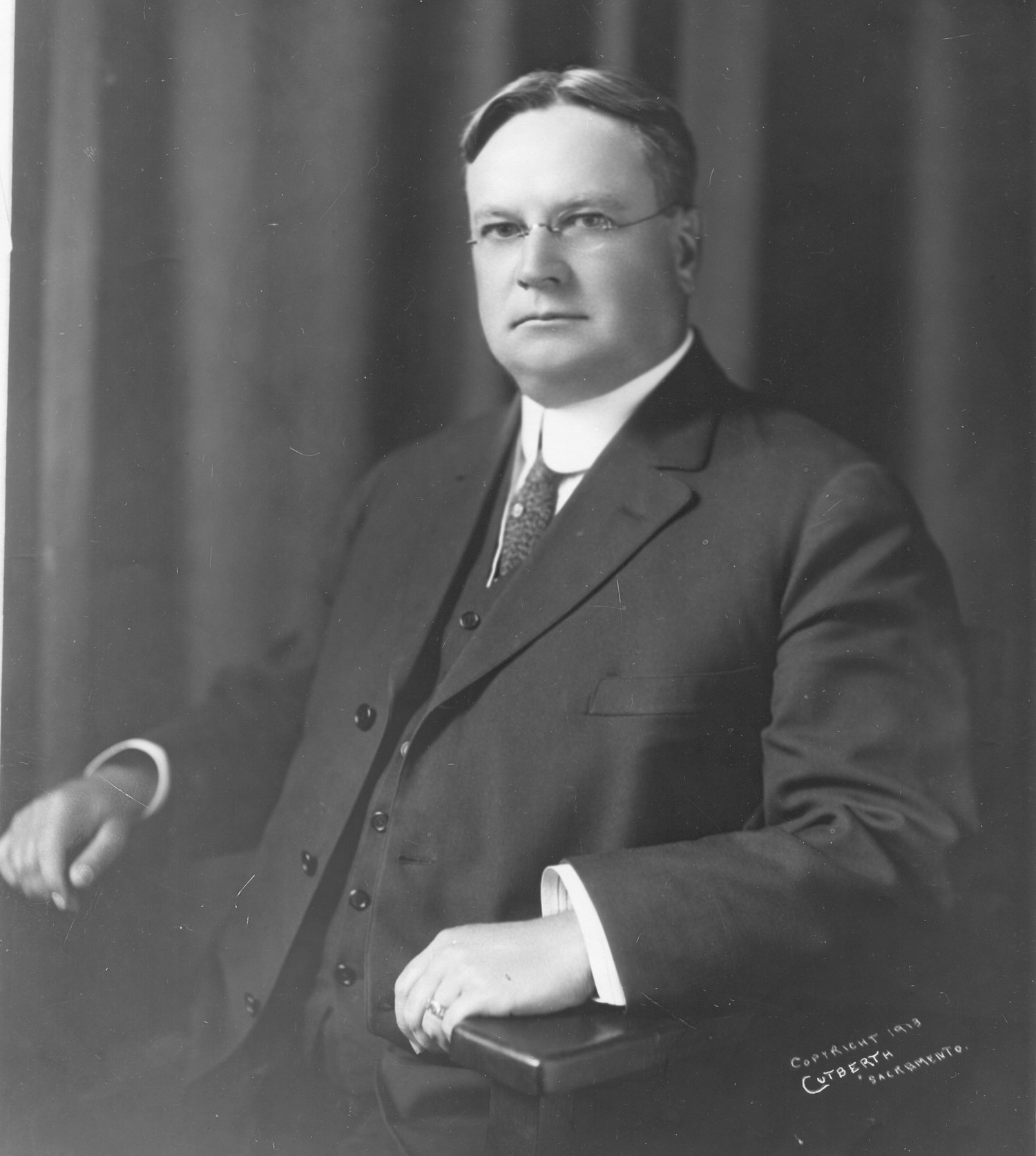
Whether serving as an attorney, a California governor, or a
United States senator, Hiram Warren Johnson placed principles
solidly above politics. His progressive vision of a better
society became the stepping-off point for California’s journey
through the 20th century.
Johnson studied law in his father’s office in Sacramento, was
admitted to the bar in 1888, and moved to San Francisco in 1902.
In 1908 he was appointed Assistant District Attorney, beginning
his long career in public service.
From humble beginnings in the California cotton fields, Rafer
Johnson rose to become one of the world’s greatest athletes.
Johnson developed a passion for track and field while in high
school in Kingsburg, California. At UCLA, where he served as
student body president, he played basketball under legendary
coach John Wooden and was captain of the varsity track team. In
1955 he competed in the Pan American Games, winning gold in
perhaps the most grueling sporting event, the decathlon.
Entrepreneur and industrialist Henry John Kaiser’s innovations in
shipbuilding and in healthcare changed the course of history.
In 1913, Kaiser bought a failing road-building company, and over
the next fifteen years built dams in California, levees in
Mississippi, highways in Cuba and he was just getting started. In
the 1930s, his company played a leading role in the construction
of some of the 20th century’s most massive projects, including
Hoover Dam and the Oakland-San Francisco Bay Bridge.
Joan Kroc’s giving spirit has benefited people the world over.
One of the most generous philanthropists in history, Kroc gave
away billions of dollars to causes she believed in, from hospice
care to peace advocacy to providing children with safe places to
play.
As the wife of McDonald’s Corporation founder Ray Kroc, she had
the means to support all her favorite charities. The couple moved
to San Diego from Chicago in 1976 after purchasing the San Diego
Padres baseball team, and Kroc quickly embraced her new hometown,
becoming involved in various local causes.
George Lucas’ devotion to timeless storytelling and cutting-edge
innovation has resulted in some of the most successful and
beloved films of all time.
The Modesto native’s genius was becoming evident by the time he
was a student at the University of Southern California, where he
created a short film that took first prize in a national
competition. In 1971, with friend Francis Ford Coppola as
executive producer, Lucas transformed that student project into
his first feature film, THX-1138.
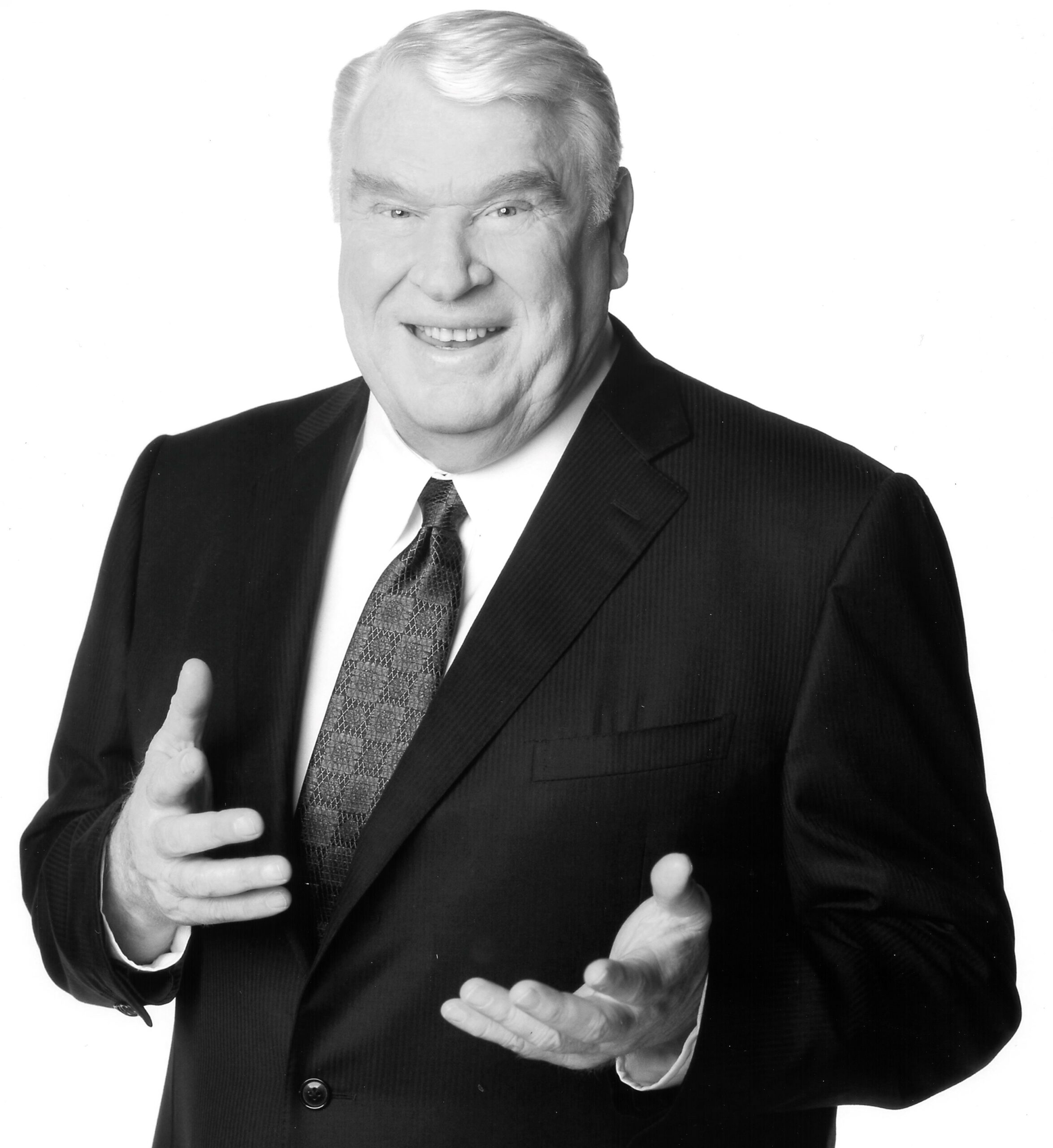
With one of America’s most recognized voices, John Madden has
been a dominant force in professional football for more than half
a century as a broadcaster, an unrivaled coach and outstanding
athlete.
As a player at California Polytechnic University, Madden was
twice voted to the All-Conference team in 1957 and 1958 for his
outstanding performance on both the offensive and defensive
lines. A knee injury in his rookie season with the Philadelphia
Eagles ended his career as a player, but not his life in
football.
The first openly gay person elected to a significant public
office in the United States, Harvey Milk put the dream of equal
rights within reach for all.
Milk encouraged lesbian, gay, bisexual, and transgender (LGBT)
citizens to live their lives openly, believing that was the only
way they could achieve social equality.
Wielding bold colors and abstract shapes, Fritz Scholder forever
changed the way the world saw American Indians in art.
Scholder was one-quarter Luiseño, a Southern California tribe,
but was raised as white, a dichotomy that later would inform the
themes of his artwork. Interested in art from an early age, he
moved to Sacramento in 1957 and enrolled first at Sacramento City
College, where he studied under Pop artist Wayne Thiebaud, and
then at Sacramento State College.
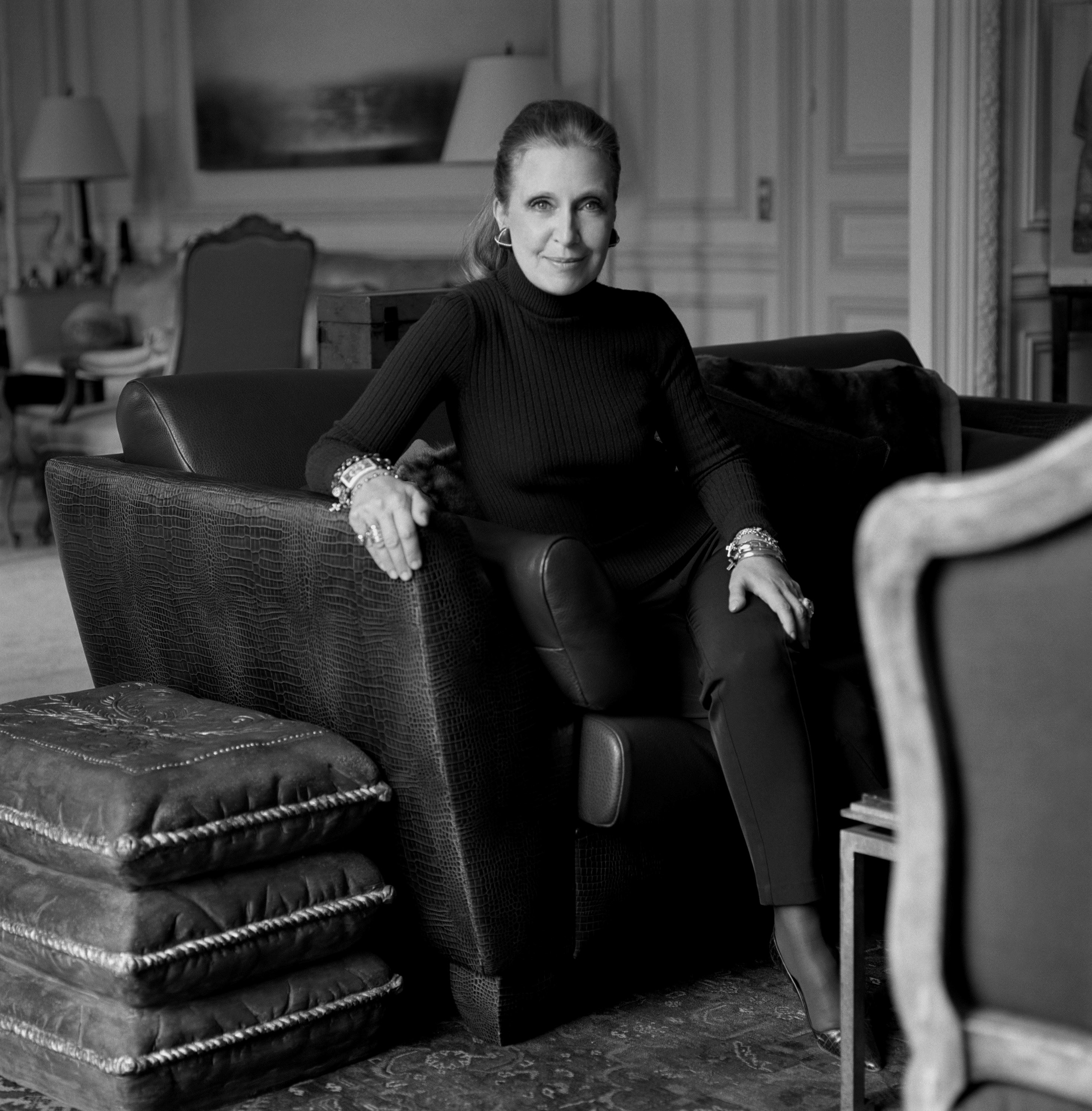
Remarkable for her success as an author and for her business
savvy, Danielle Steel has written 108 books, a majority of which
have earned bestseller status.
Raised in Paris and New York, Steel began writing short stories
and poetry as a child and had completed her first manuscript by
the time she was nineteen. After moving to San Francisco she took
up writing full time, and published her first book, Going Home,
in 1973. Since that debut, she has continued to turn out novels
whose mix of intrigue, suspense, and romance appeal to readers
worldwide.
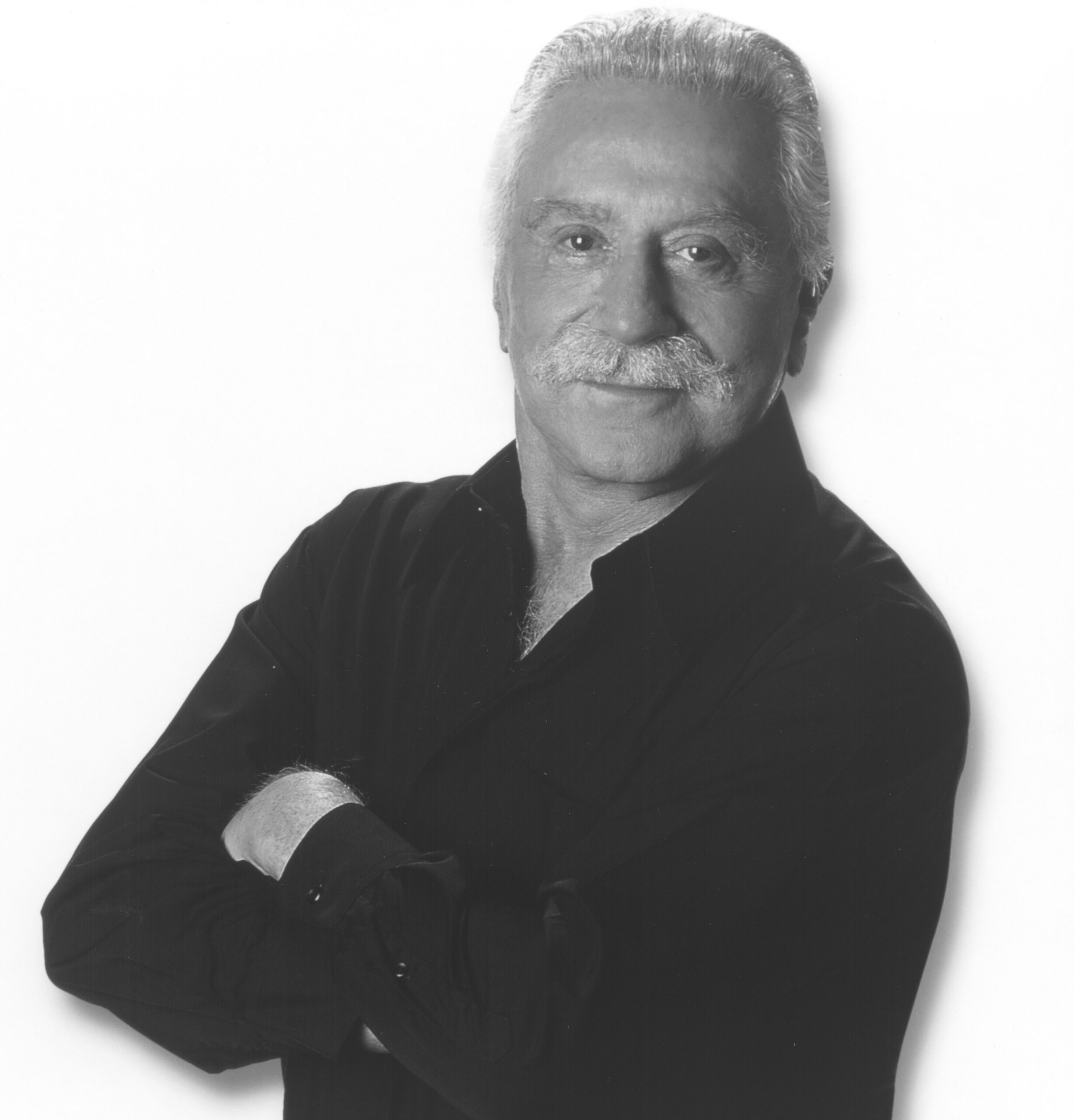
A pioneer of the modern health and fitness movement, Joe Weider
brought strength, fitness and healthy living to the public’s
consciousness around the globe for the last 70 years.
At age twelve, Weider purchased two used weight-lifting magazines
for a penny, built a set of barbells from surplus railroad parts,
and began training.
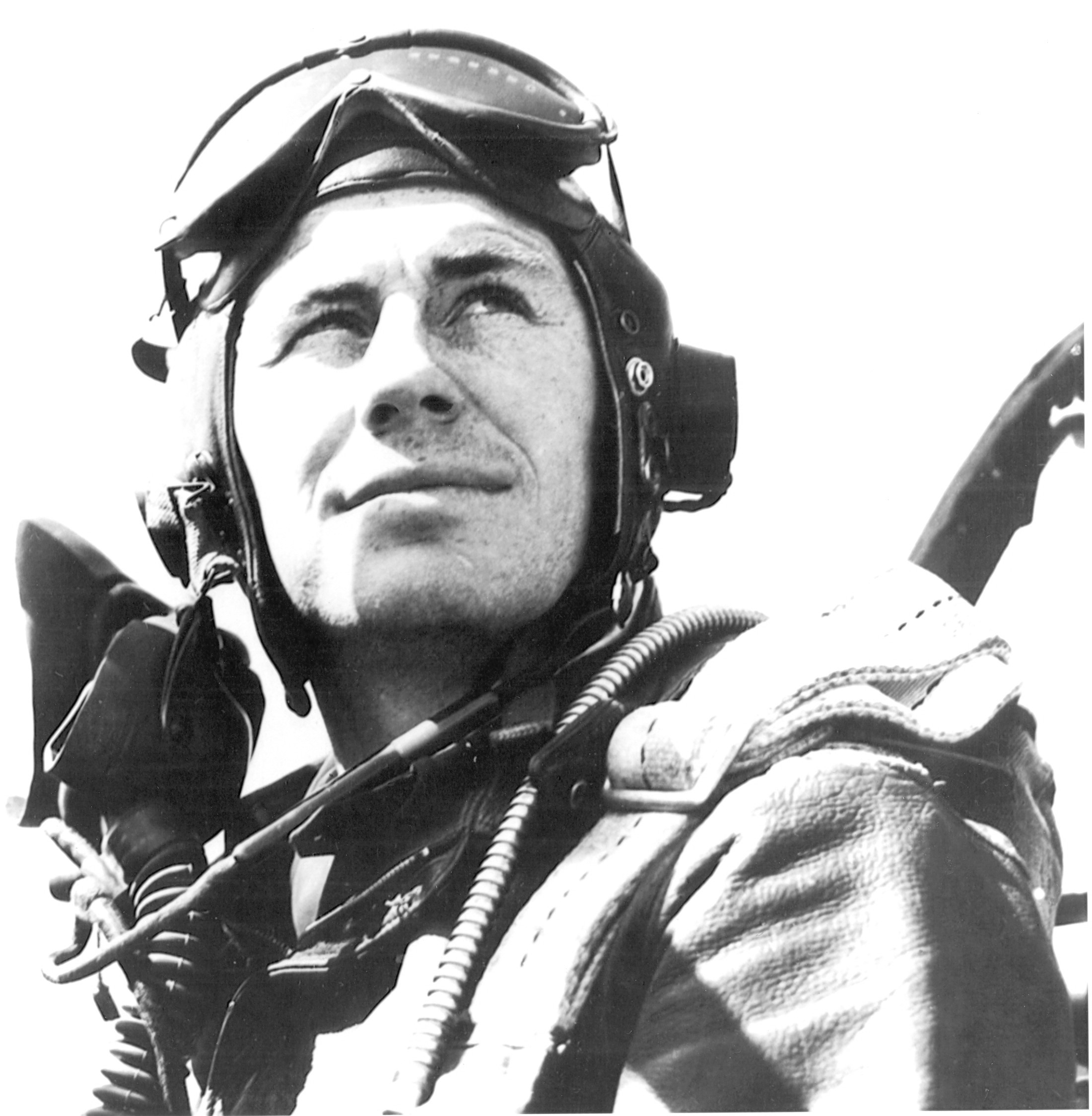
The most accomplished test pilot of all time, Chuck Yeager earned
a permanent place in history when he became the first person to
fly faster than the speed of sound.
His aviation career got its start when, just out of high school,
he enlisted in the Army Air Corps to serve in WWII. Entering
combat in December 1942, he shot down his first enemy plane in
March 1944. The next day he was shot down over enemy territory,
but with help from the French resistance, escaped to Spain.
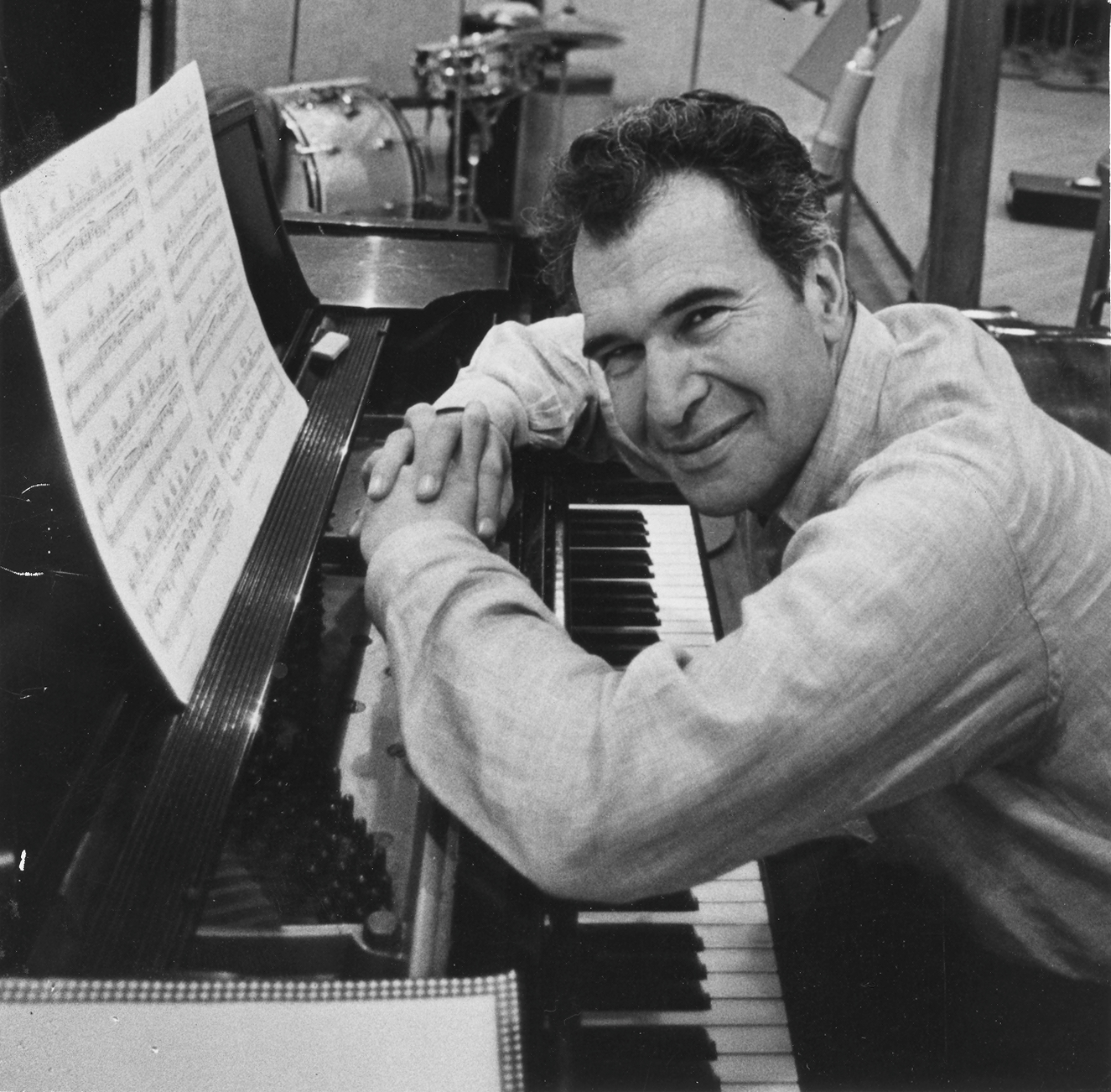
Considered one of the most important musicians in history, Dave
Brubeck fundamentally changed the way jazz is played, and helped
establish California as a center of jazz in America.
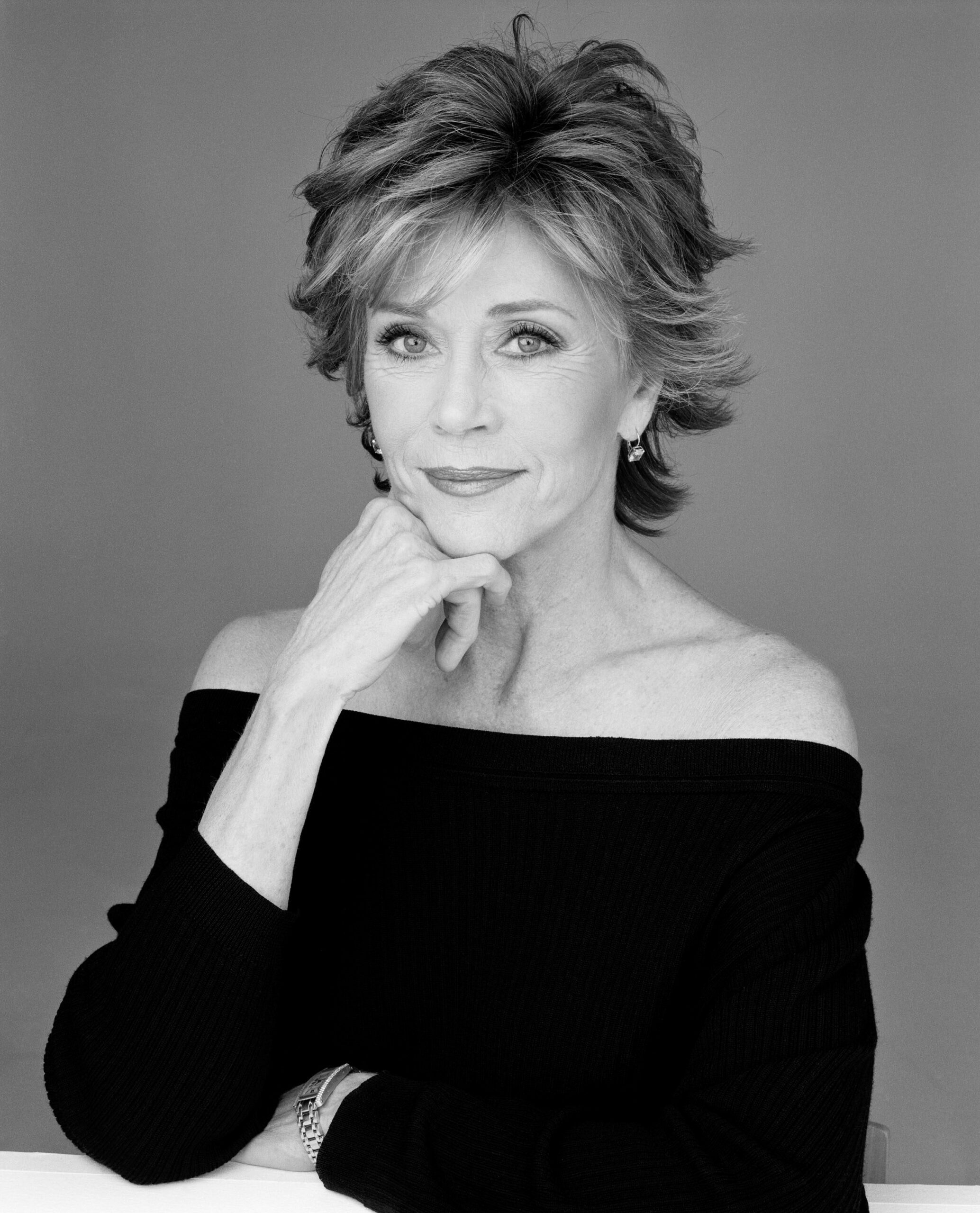
Over Jane Fonda’s long and versatile career, the Oscar-winning
actress has enthralled audiences in a variety of roles. She has
been an inspiration for health and fitness and has tirelessly
advocated for social and political change.
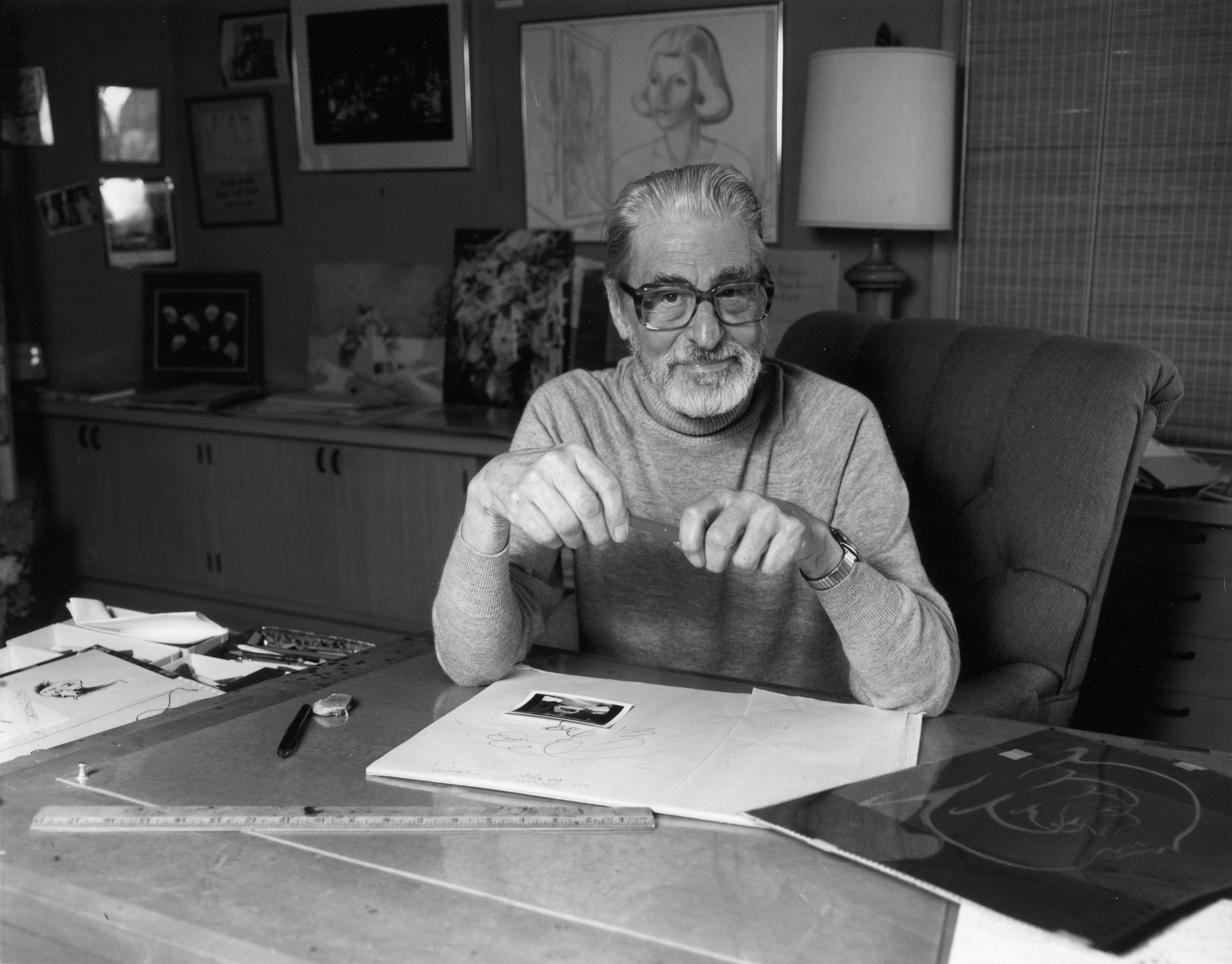
A pioneer of children’s literature, Theodor Seuss Geisel, known
to the world as “Dr. Seuss,” charmed generations of youngsters
and parents with his memorable rhymes, fanciful illustrations and
unique characters while inspiring them to love reading and the
English language.
Award-winning artist Robert Graham is internationally renowned
for his civic monuments, public art installations and awards.
Graham’s work has been the subject of over eighty solo
exhibitions and three retrospective exhibitions in the United
States, Europe, Japan, and Mexico, and is included in many
national and international museum collections.
An impresario in the broadest sense, Quincy Jones is a composer,
record producer, artist, film producer, arranger, conductor,
instrumentalist, TV producer, record company executive,
television station owner, magazine founder, best-selling author,
multi-media entrepreneur and humanitarian.
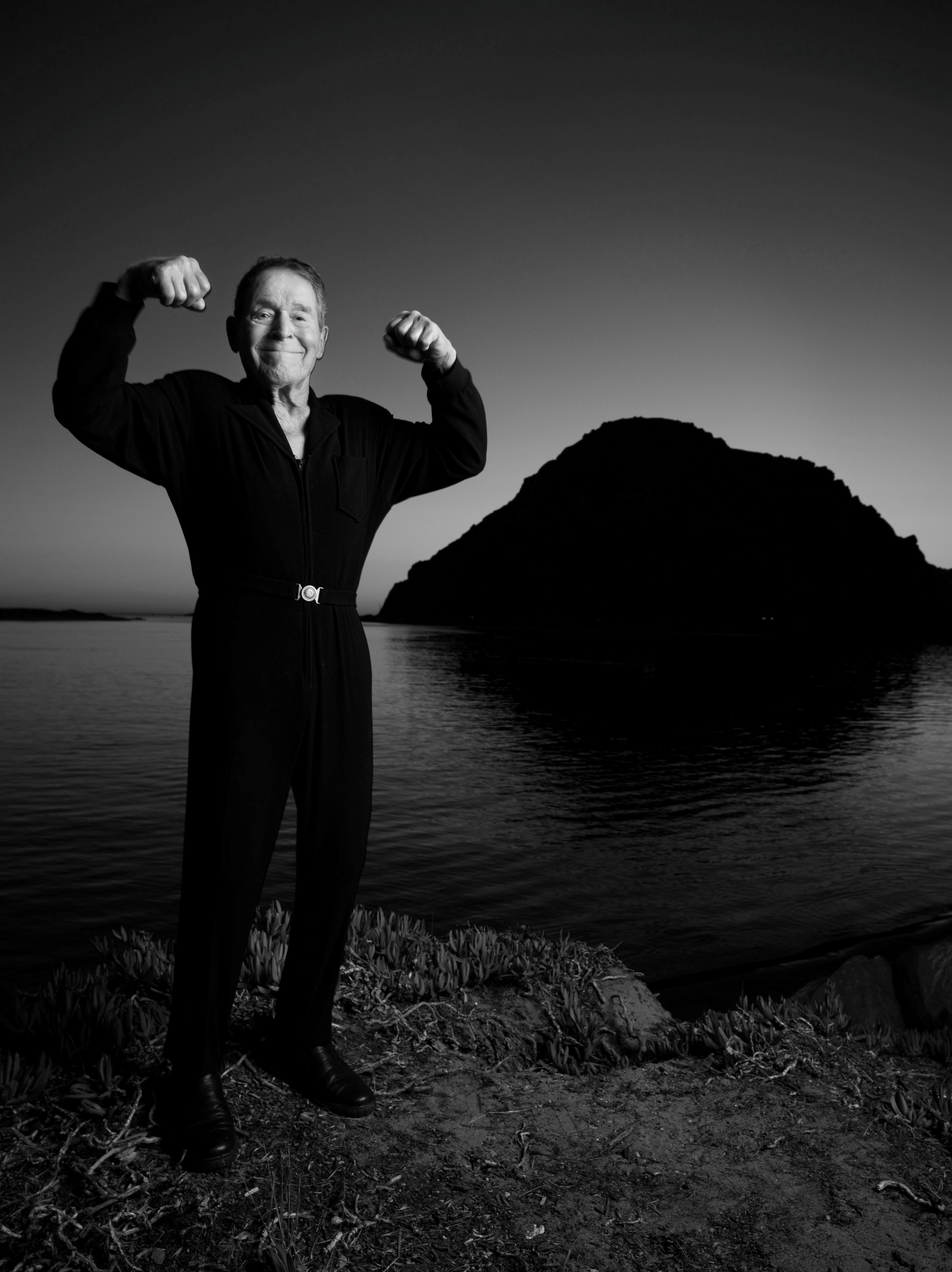
Often referred to as the “Godfather of Fitness,” Jack LaLanne is
America’s original exercise and nutrition guru. As a television
celebrity, lecturer, businessman and motivational speaker,
LaLanne brought the gospel of fitness into American homes for
more than fifty years.
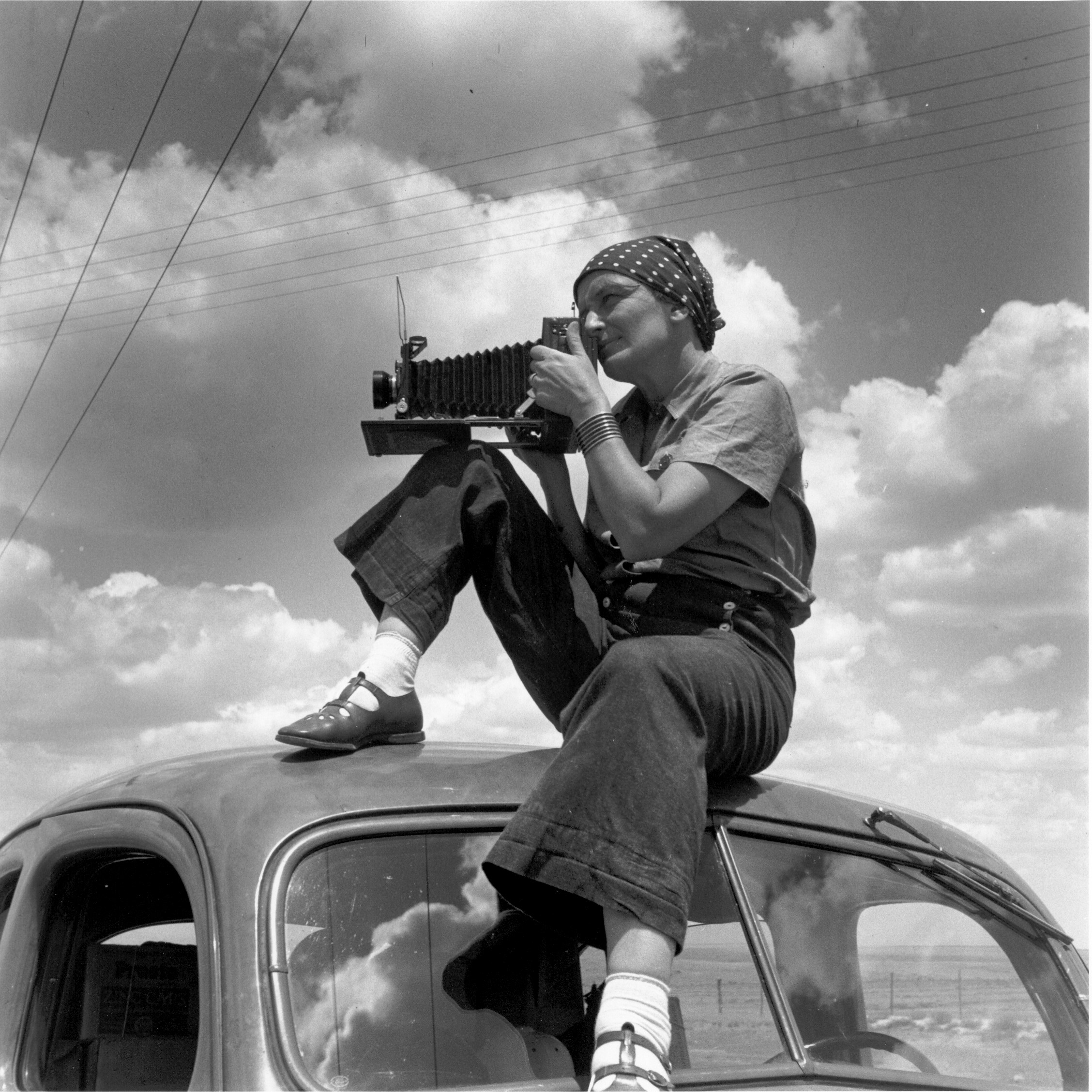
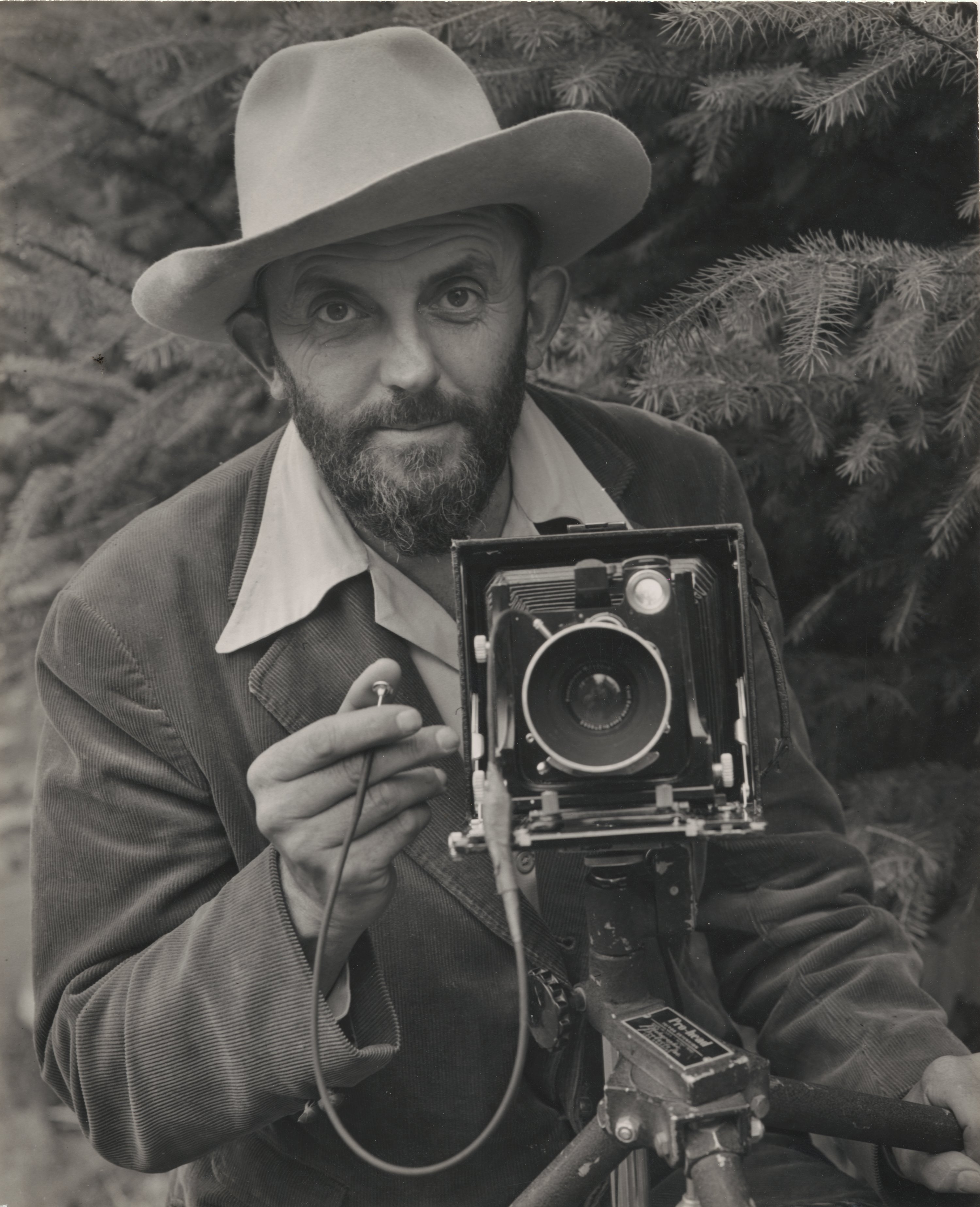
Dorothea Lange’s photographs have etched the faces of the poor
and forgotten into the American memory. Her compassionate images
of disadvantaged Native Americans, displaced families of the
Great Depression, and interned Japanese Americans during World
War II helped develop documentary photography as we know it
today.
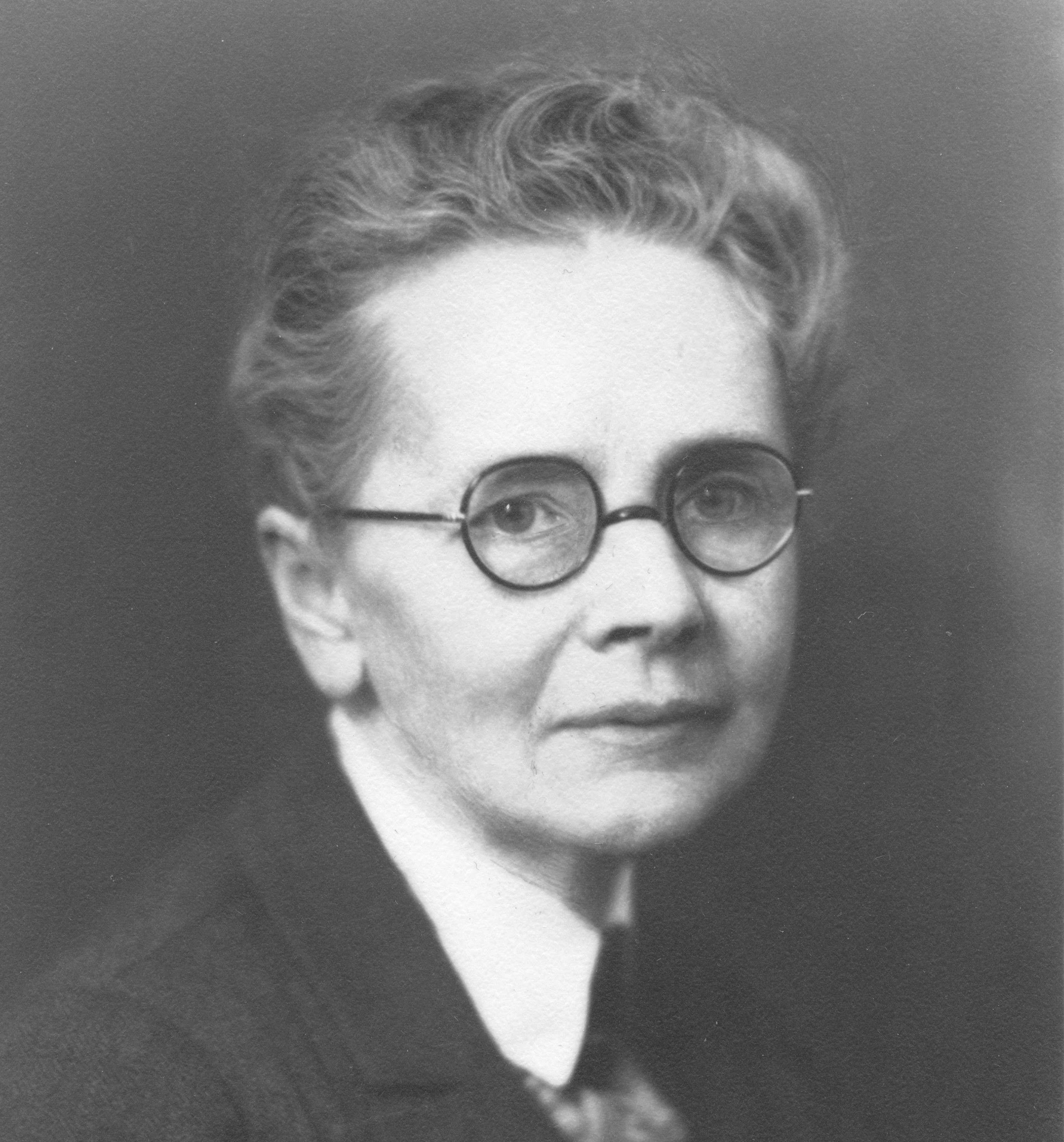
As California’s first woman architect, Julia Morgan surmounted
gender barriers at home and abroad, inspiring generations of
young women to follow their dreams.
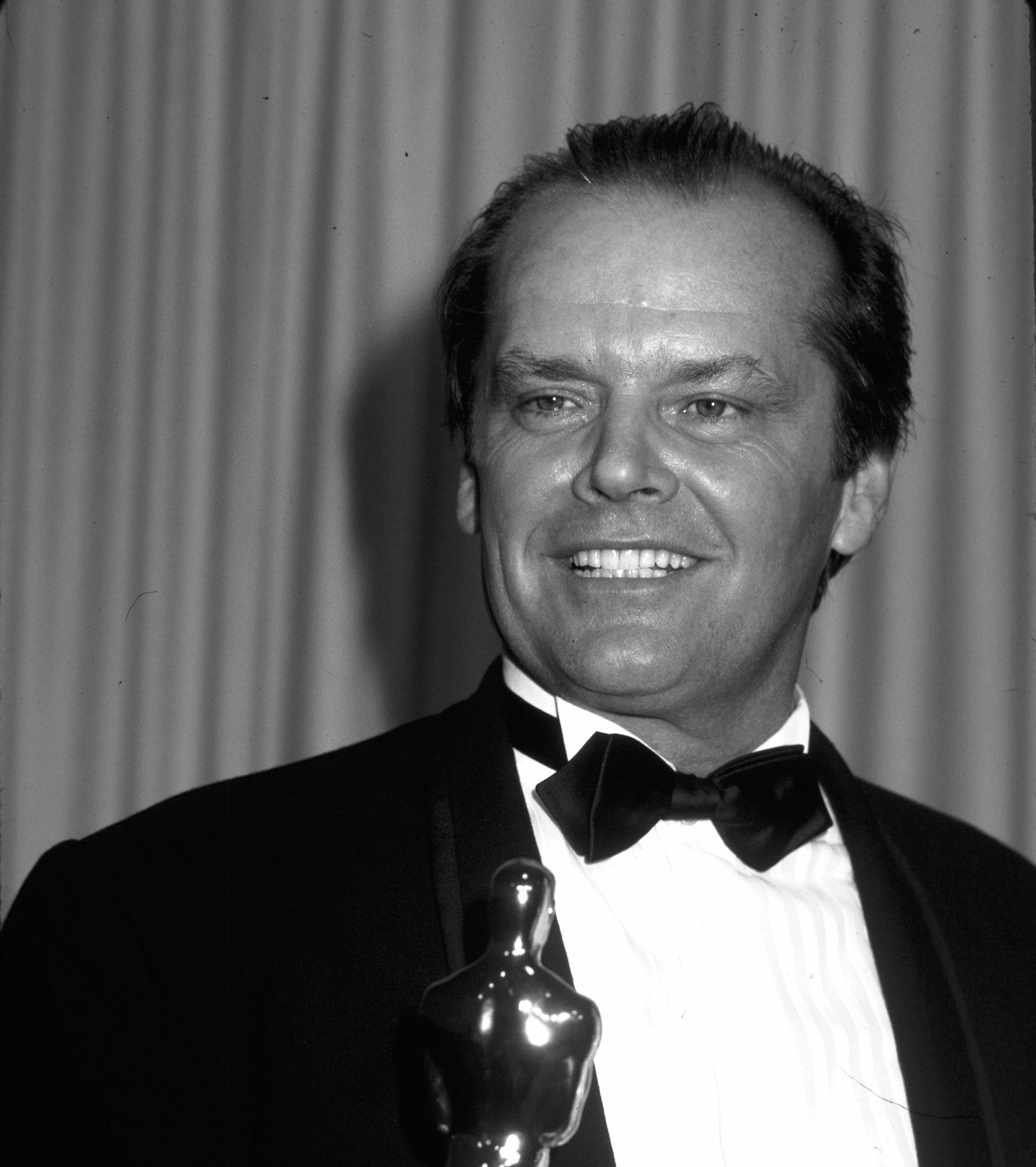
During a career that has spanned five decades and encompassed
more than sixty feature films, Jack Nicholson has become both one
of film’s most renowned actors and a Hollywood icon.
One of the greatest thinkers of the millennium, scientist, peace
activist and educator, Linus Pauling is the only person to have
won two unshared Nobel Prizes.
As governor, senator, university founder, and especially as a
driving force behind the building of the transcontinental
railroad, Leland Stanford helped shape California’s history for
more than three decades.
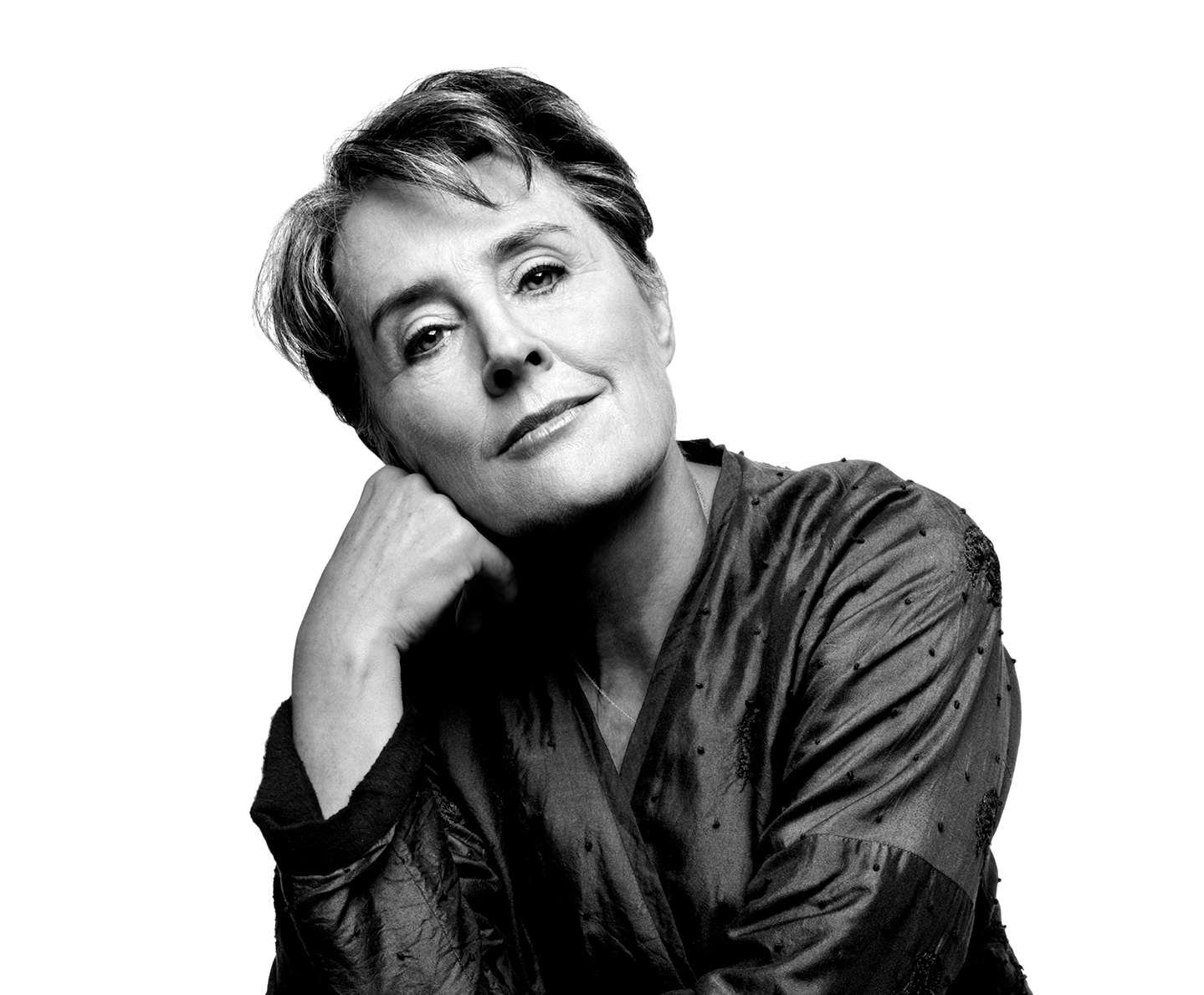
Founder of the Chez Panisse restaurant in Berkeley, California,
Alice Waters is considered by many to be the originator of
“California Cuisine.” Her philosophy of using only fresh, locally
grown organic ingredients and her advocacy of sustainable
agriculture has made her one of America’s most influential chefs.
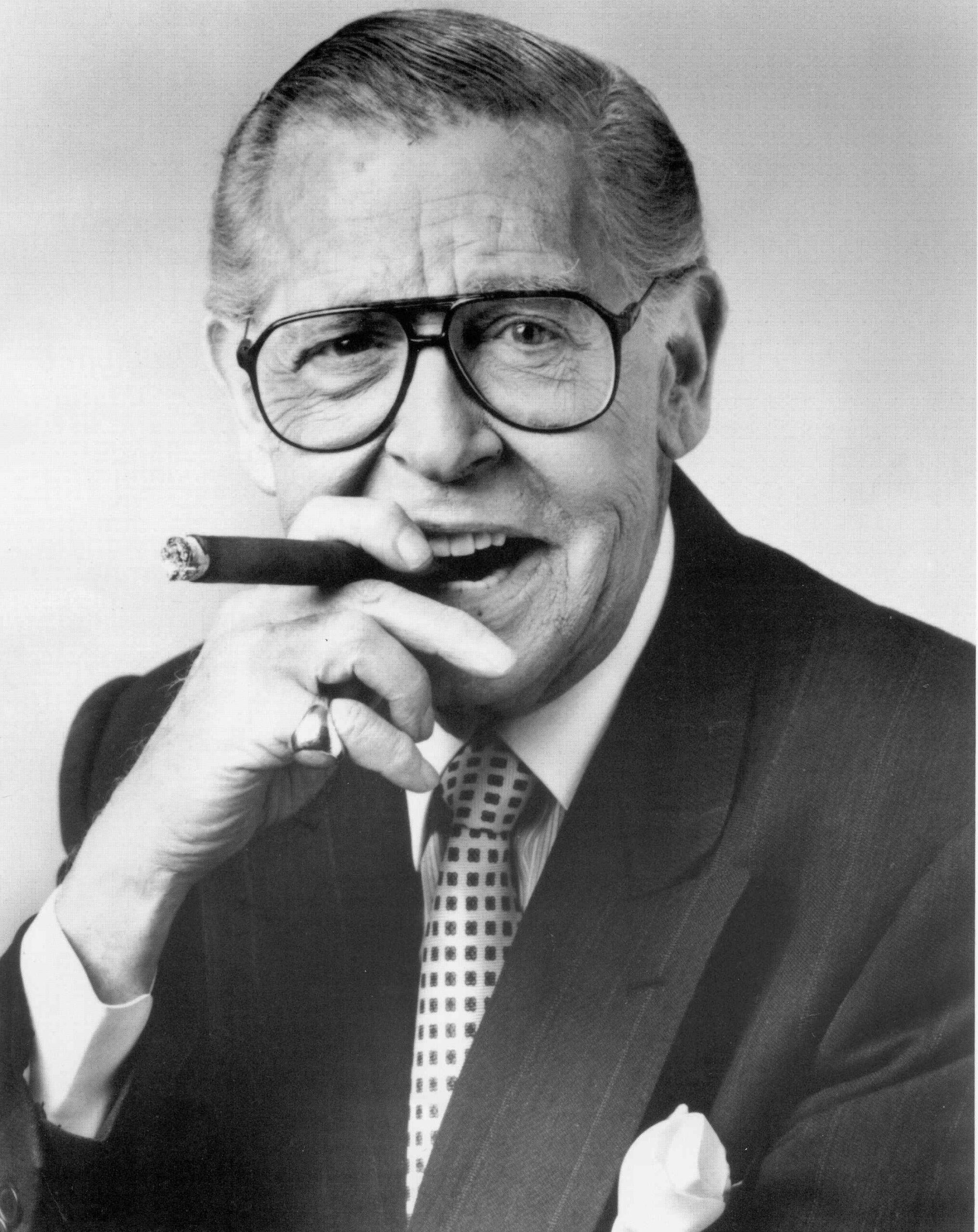
Milton Berle (Berlinger), who became known as “Mr. Television”
for his role in popularizing the new medium, had a career that
was one of the longest and most varied in show business, spanning
silent film, vaudeville, radio, motion pictures, and television.
Berle was born in New York City on July 12, 1908, to Moses and
Sarah (Glantz) Berlinger. His father worked at a succession of
jobs; his mother was a store detective who encouraged her young
son in showbusiness. At age five, he won first place in a Charlie
Chaplin look-alike contest.
Steve Jobs is the CEO of Apple, which he co-founded in 1976.
Apple leads the industry in innovation with its award-winning
desktop and notebook Mac computers, OS X operating system, and
iLife and professional applications.
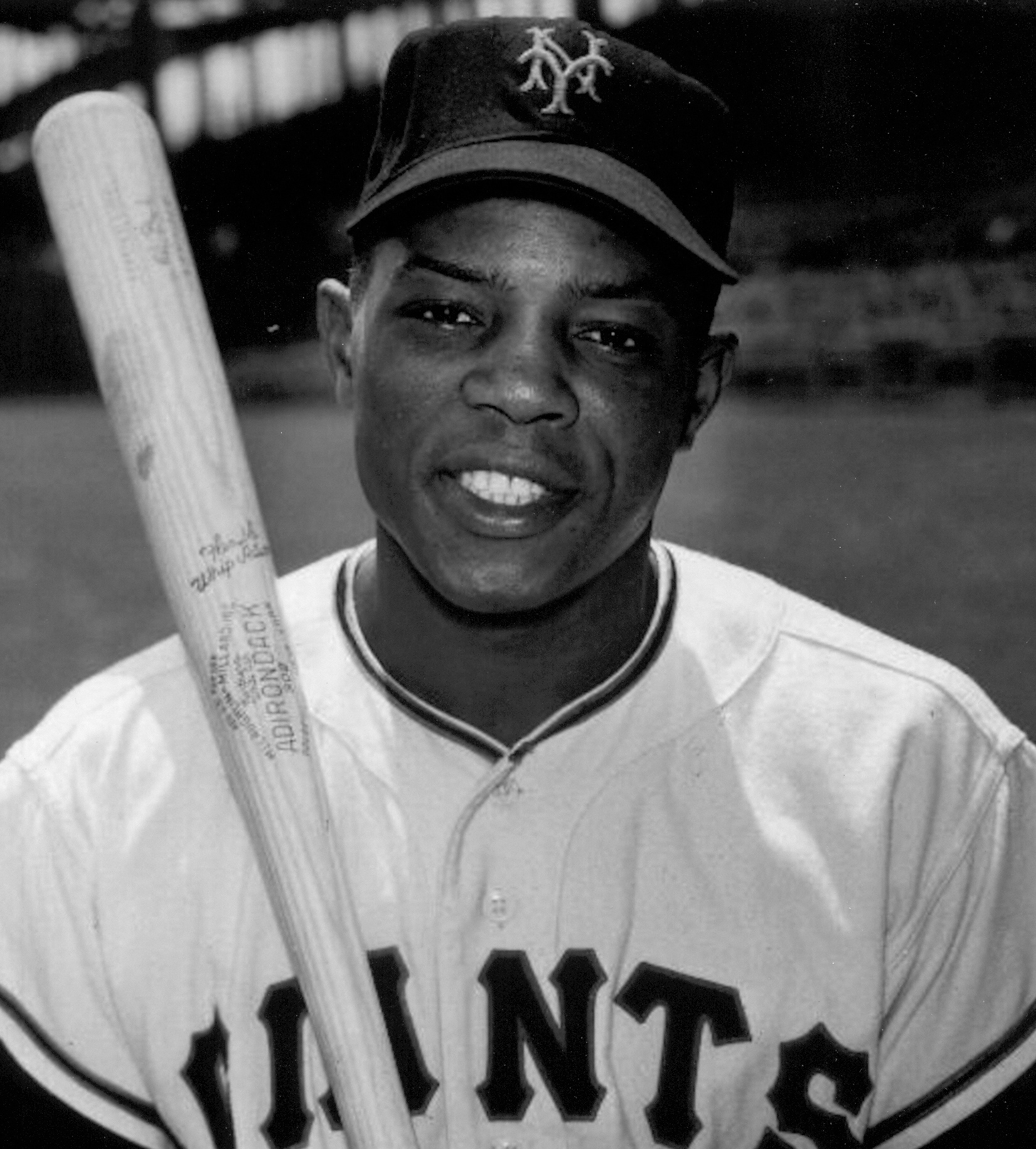
To many, Willie Mays is the greatest all-around baseball player
in history, excelling in hitting for average, hitting for power,
fielding, throwing and base running. During twenty-two seasons of
major league play, the “Say Hey Kid” hit 660 home runs, putting
him in fourth place for the all-time home run record.
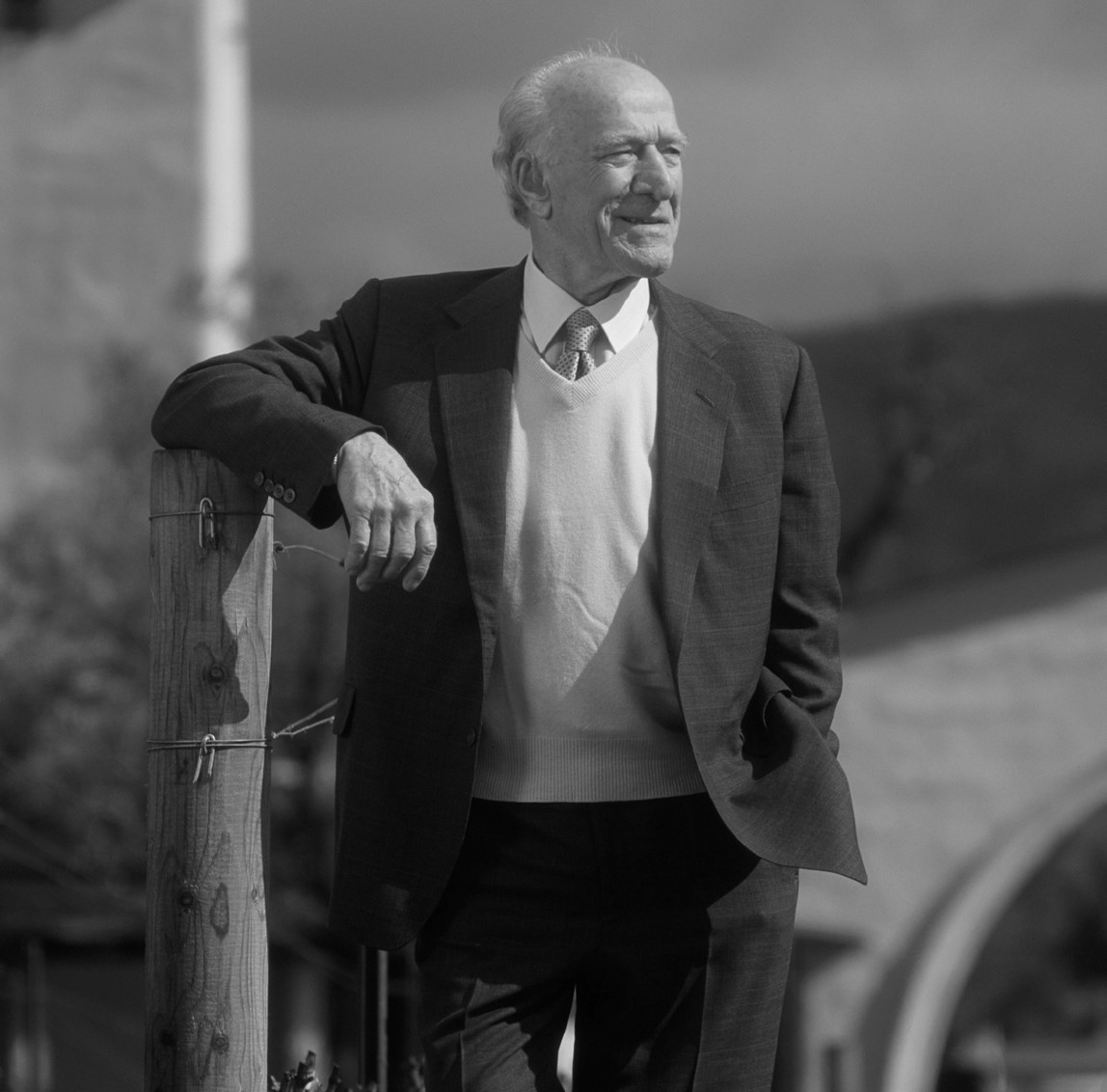
Robert Mondavi, a global symbol of American wine and food,
introduced technical improvements and marketing strategies that
brought worldwide recognition to the wines of California’s Napa
Valley.
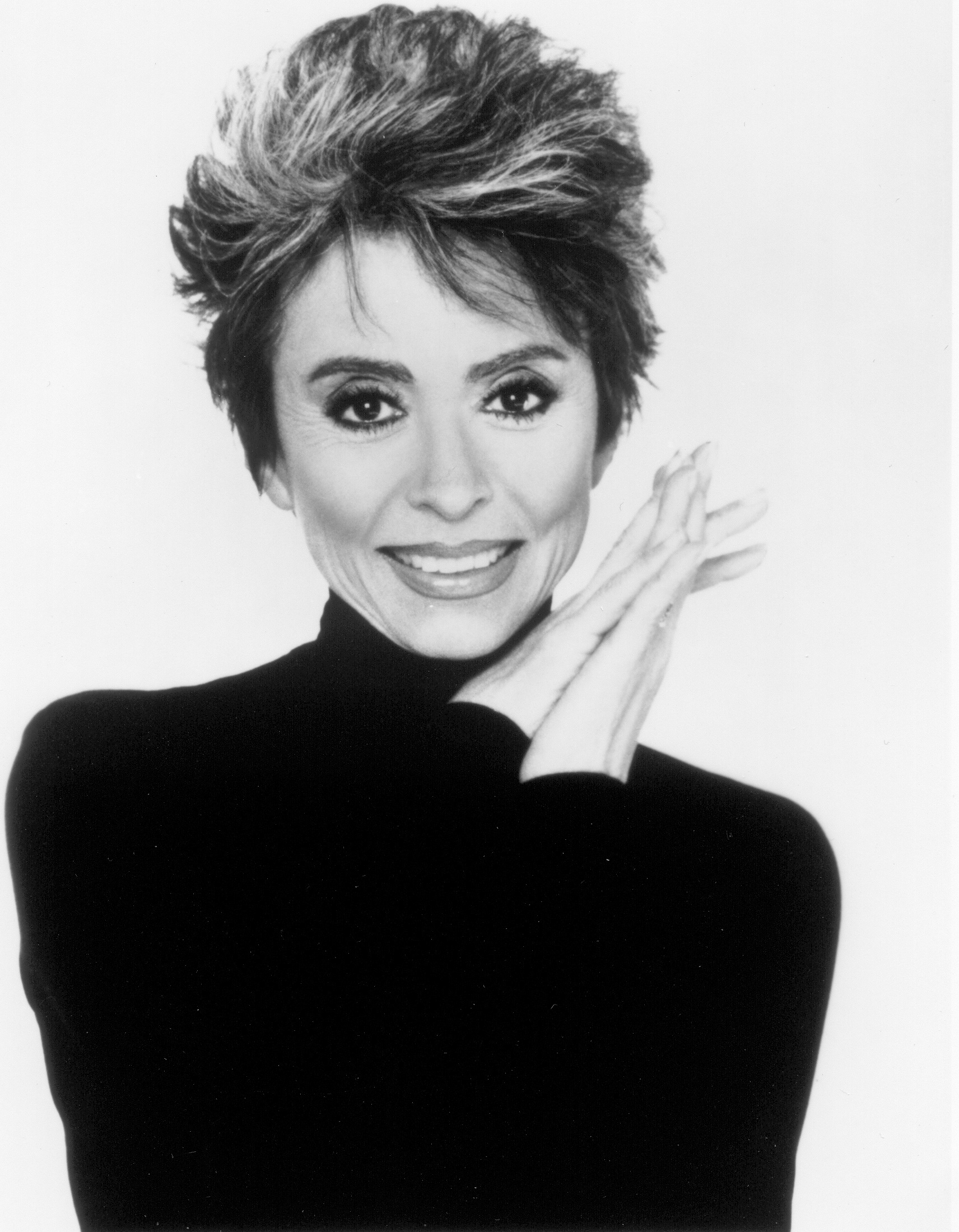
Rita Moreno is one of the few performers to have won all four of
the most prestigious showbusiness awards: the Oscar, Emmy, Grammy
and Tony.
Born Rosa Dolores Alverio in Humacao, Puerto Rico, Moreno moved
with her mother to New York when she was five years old. The
following year she began dancing lessons, and at age thirteen
made her Broadway debut in Skydrift.
Spotted by a talent scout, she was signed to a contract with MGM
in 1949. From that point on, her career advanced steadily.
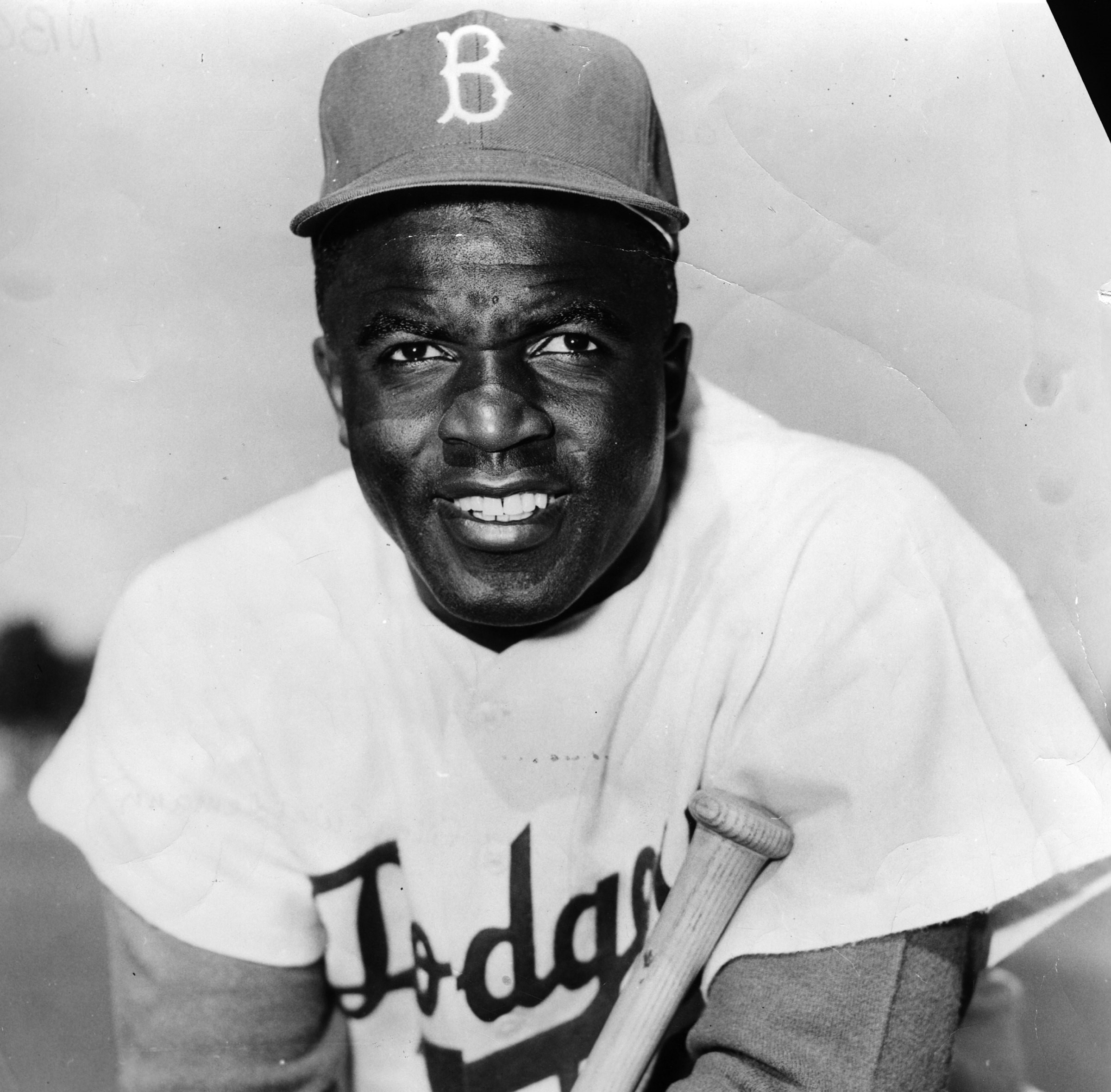
Jackie Robinson will always be remembered as the civil rights
pioneer who broke baseball’s color barrier. When he stepped up to
the plate for the Brooklyn Dodgers in 1947, he became the first
black player to play modern-day Major League Baseball.
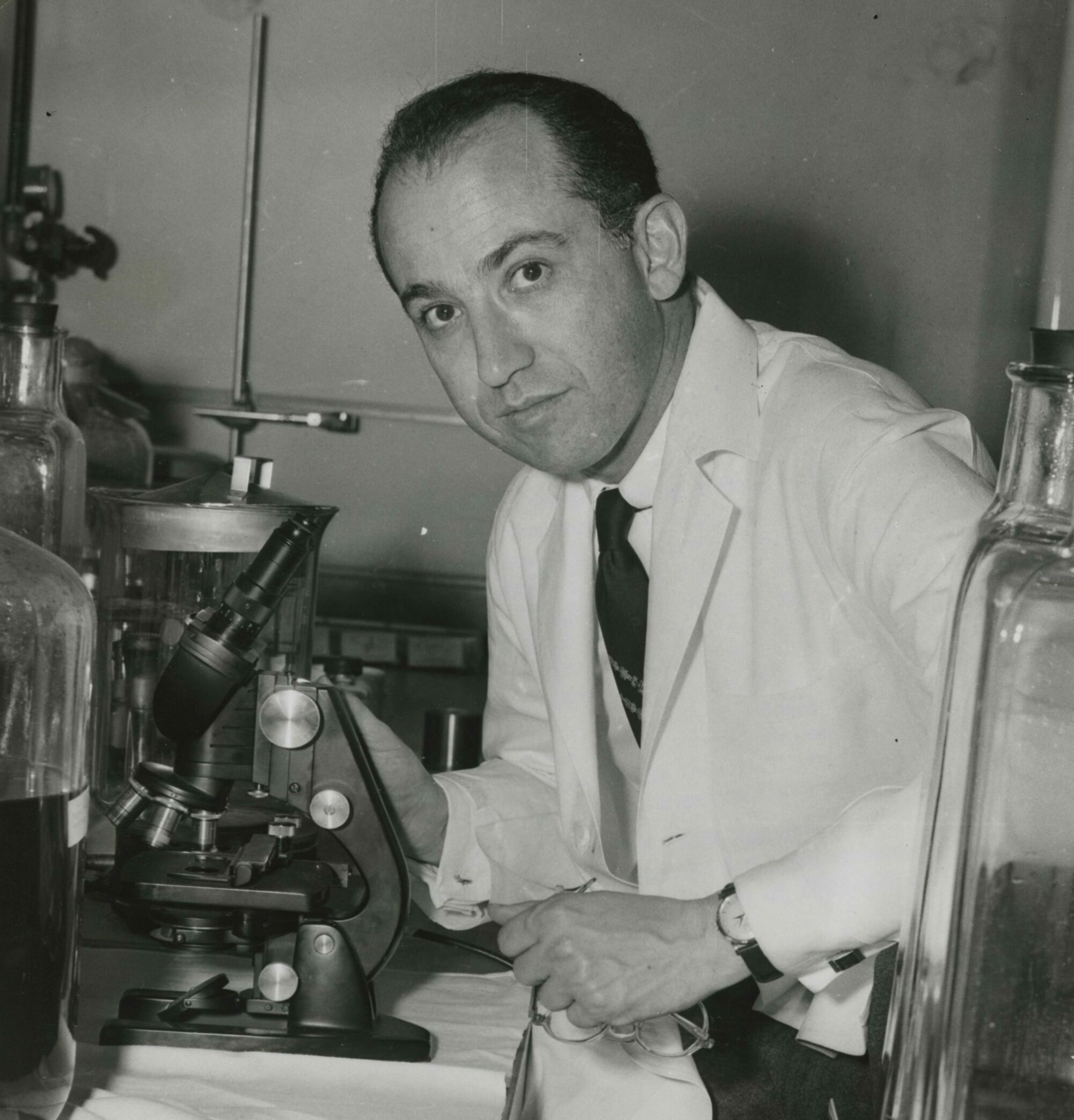
Jonas Salk became an international hero when he developed the
first successful vaccine against polio, which once crippled or
killed thousands every year. Thanks to his work and that of
others in the field, the disease has been nearly eradicated
today.
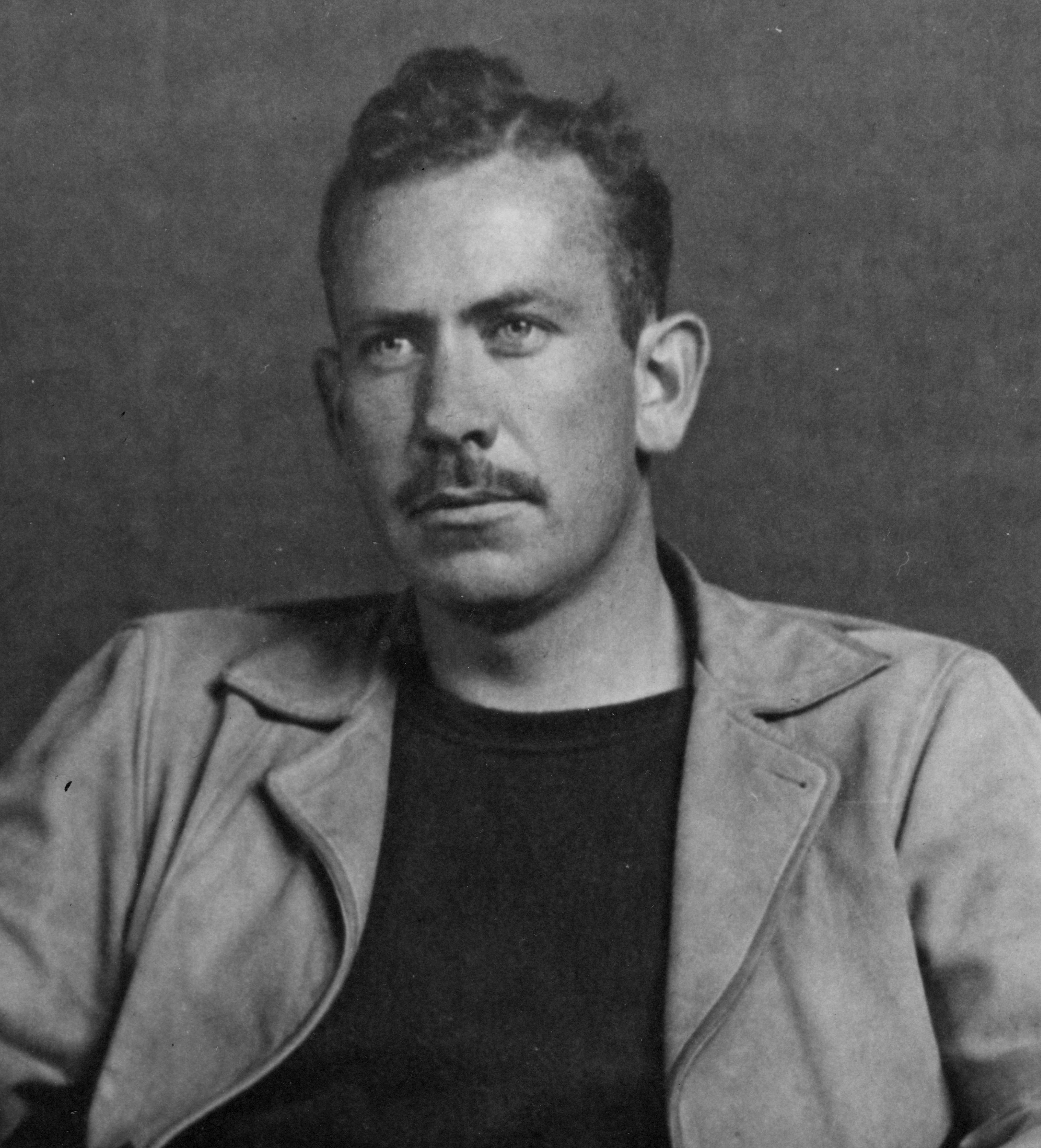
John Steinbeck’s writing, deeply rooted in the Salinas Valley of
his youth, earned him worldwide recognition. He was awarded the
Nobel Prize for Literature in 1962 for “his realistic as well as
imaginative writings, distinguished by a sympathetic humor and a
keen social perception.”
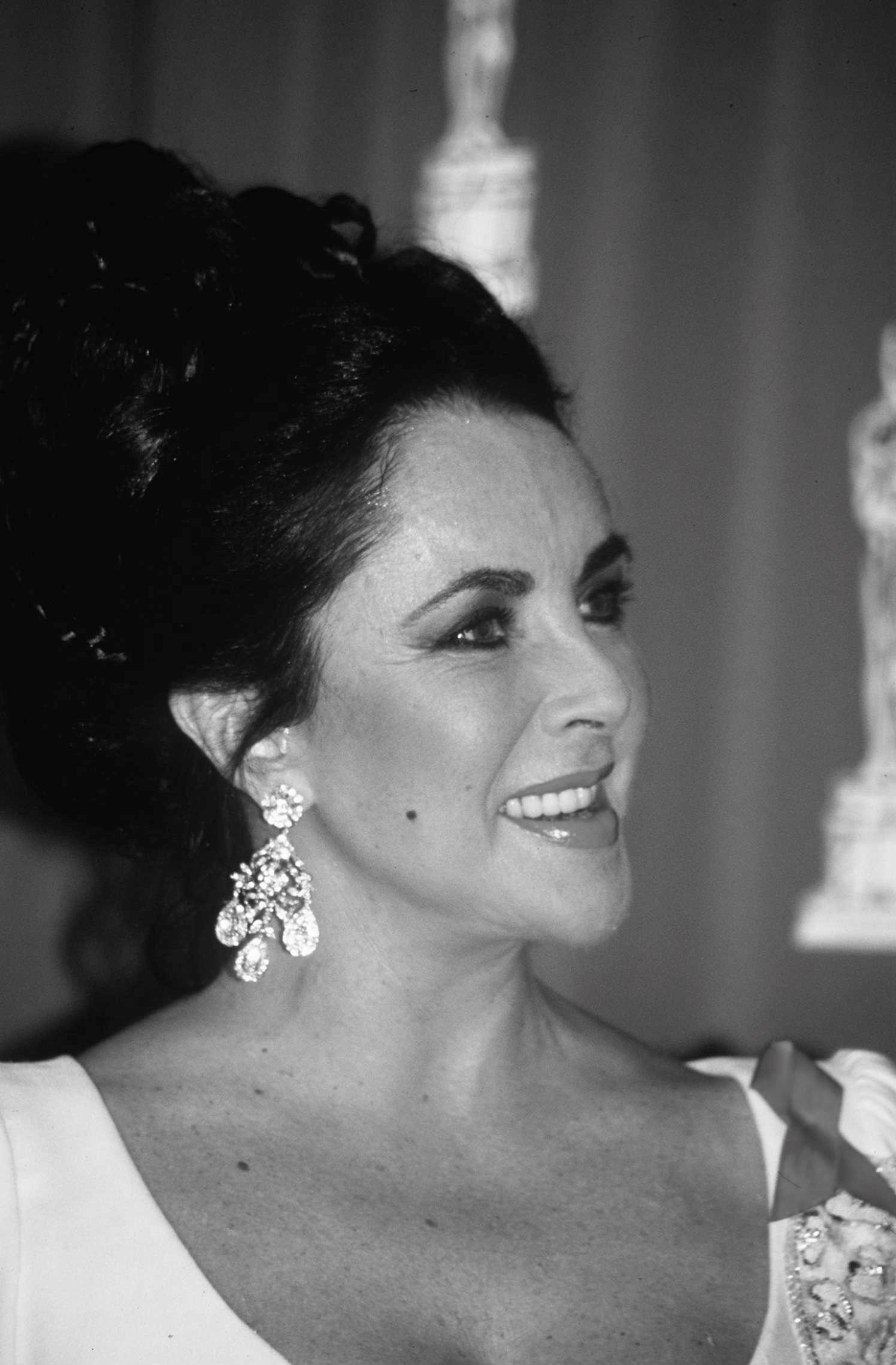
Elizabeth Taylor enchanted audiences for over sixty years.
Born in England of American parents, Taylor relocated with her
family to Los Angeles during World War II. Stunningly beautiful
even as a child, she soon caught Hollywood’s attention, and in
1944 National Velvet catapulted her to stardom. She went
on to star in over fifty more films. Nominated five times, she
won Best Actress Academy Awards for Butterfield 8 (1960)
and Who’s Afraid of Virginia Woolf? (1966).
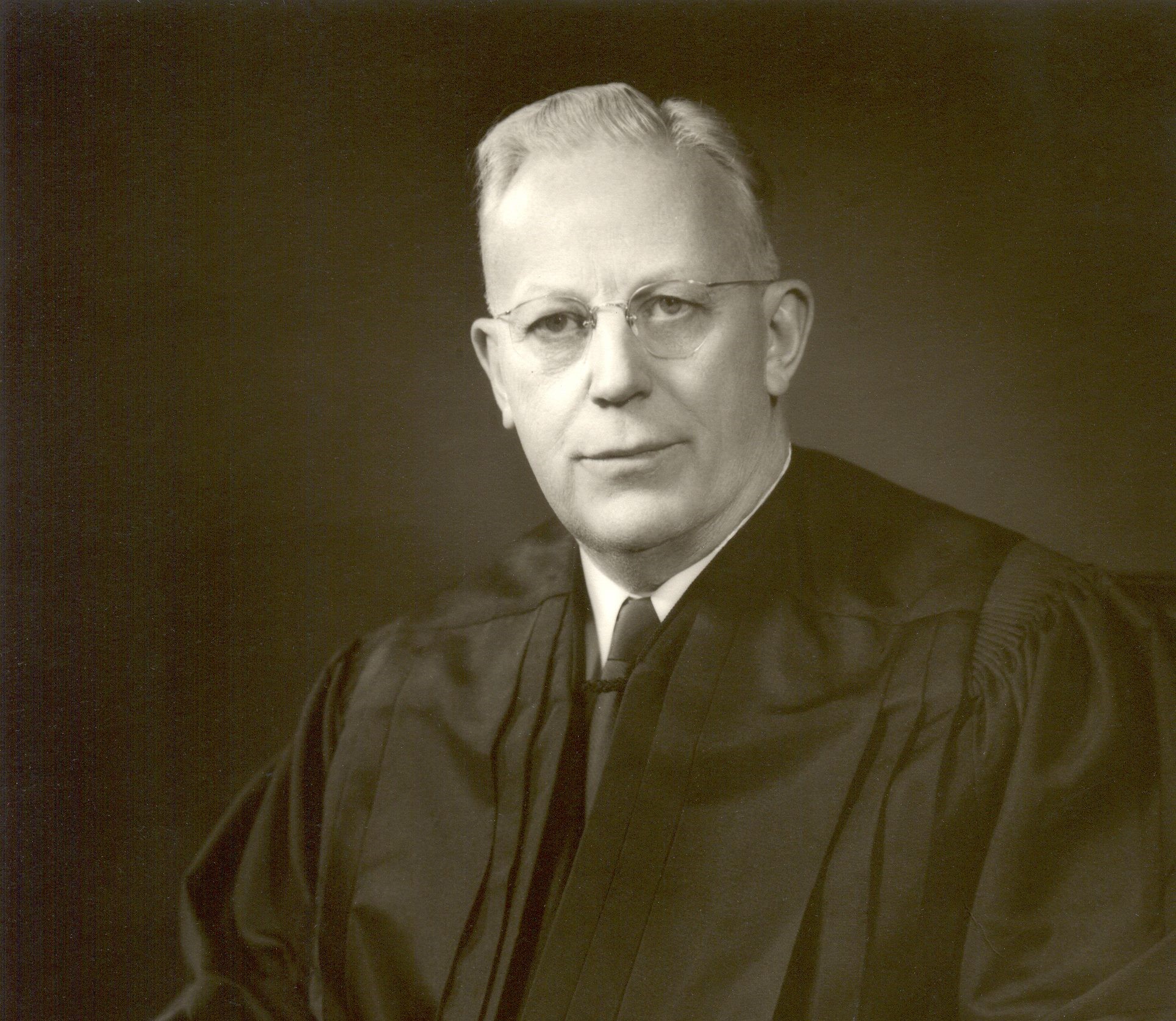
One of the most influential Supreme Court Chief Justices in U.S.
history, Earl Warren created fundamental and lasting changes in
American society.
Born March 19, 1891, in Los Angeles, California, Warren was the
son of immigrant parents. As a youth in Bakersfield, he worked
summers for Southern Pacific Railroad. He later said that his
progressive political and legal attitudes were the result of
seeing first-hand the lives and struggles of working people.
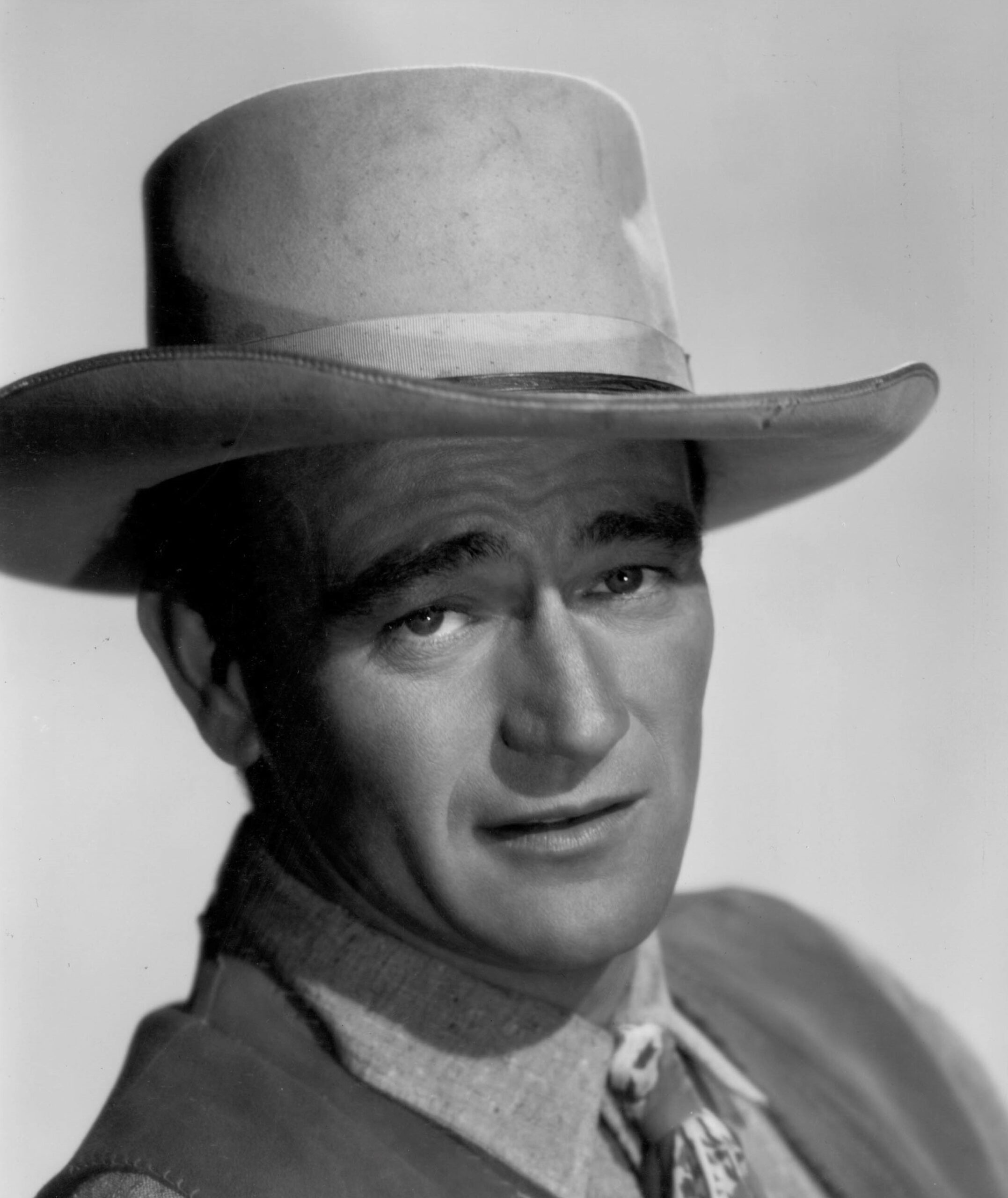
Appearing in more than 175 films during a career that spanned a
half-century, John Wayne became the personification of the
Western hero and an American icon. Nearly thirty years after his
death, he still consistently ranks among the most popular movie
stars of all time.
Born and raised in Southern California, Woods dreamed of being
the world’s best golfer from the time he was a child. Encouraged
by his father, also a golfer, he revealed his talents early,
swinging his way onto television with Bob Hope at age two, and
making it into Golf Digest magazine at age five.
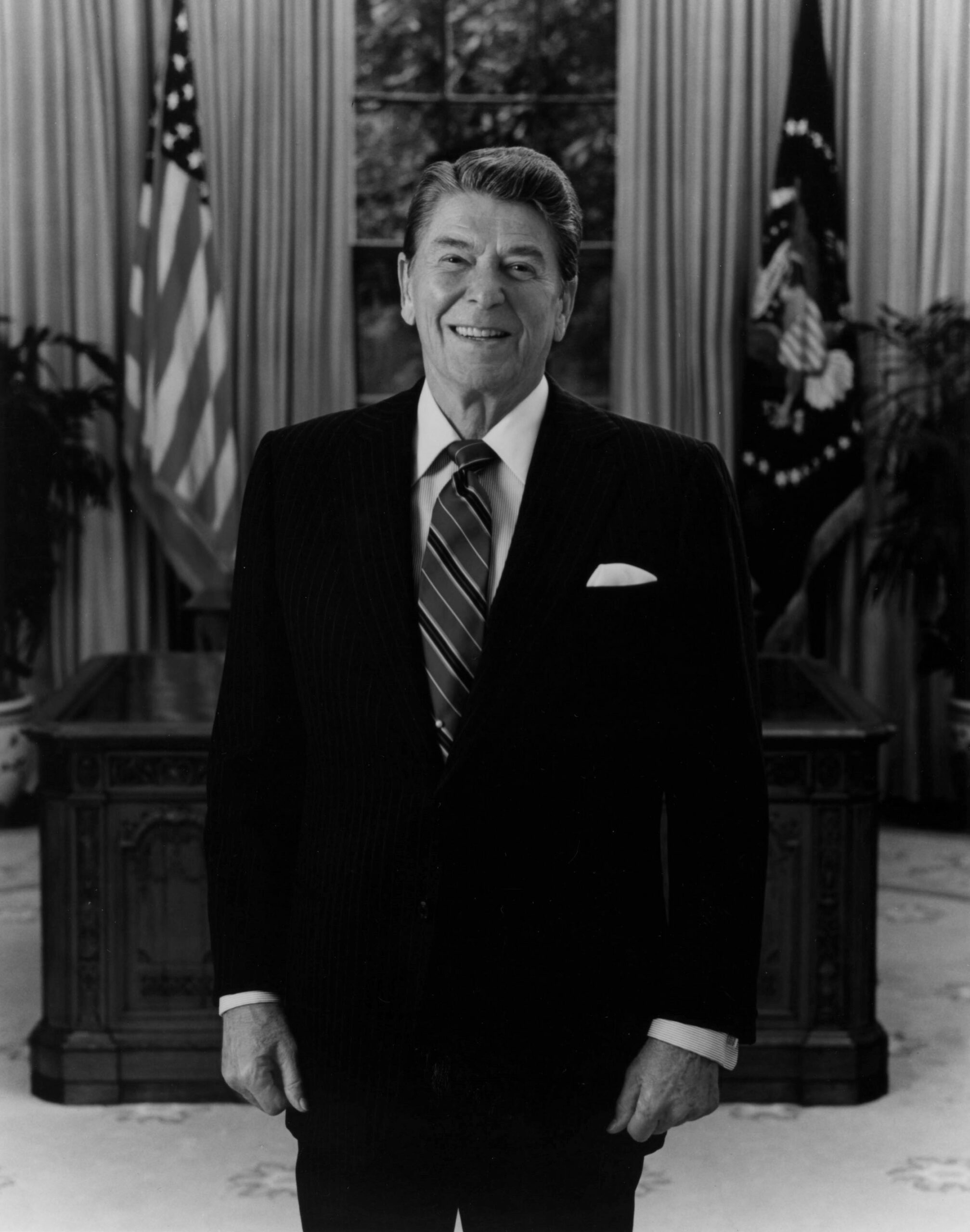
Ronald Wilson Reagan was born February 6, 1911, in Tampico,
Illinois, the son of Nelle Wilson Reagan and John Reagan. He was
educated in Illinois public schools and graduated from Eureka
College in 1932, with a degree in economics and sociology.
Following a brief career as a sports broadcaster and editor,
President Reagan moved to California to work in motion pictures.
His film career, interrupted by three years of service in the
Army Air Corps during World War II, encompassed 53 feature-length
motion pictures.
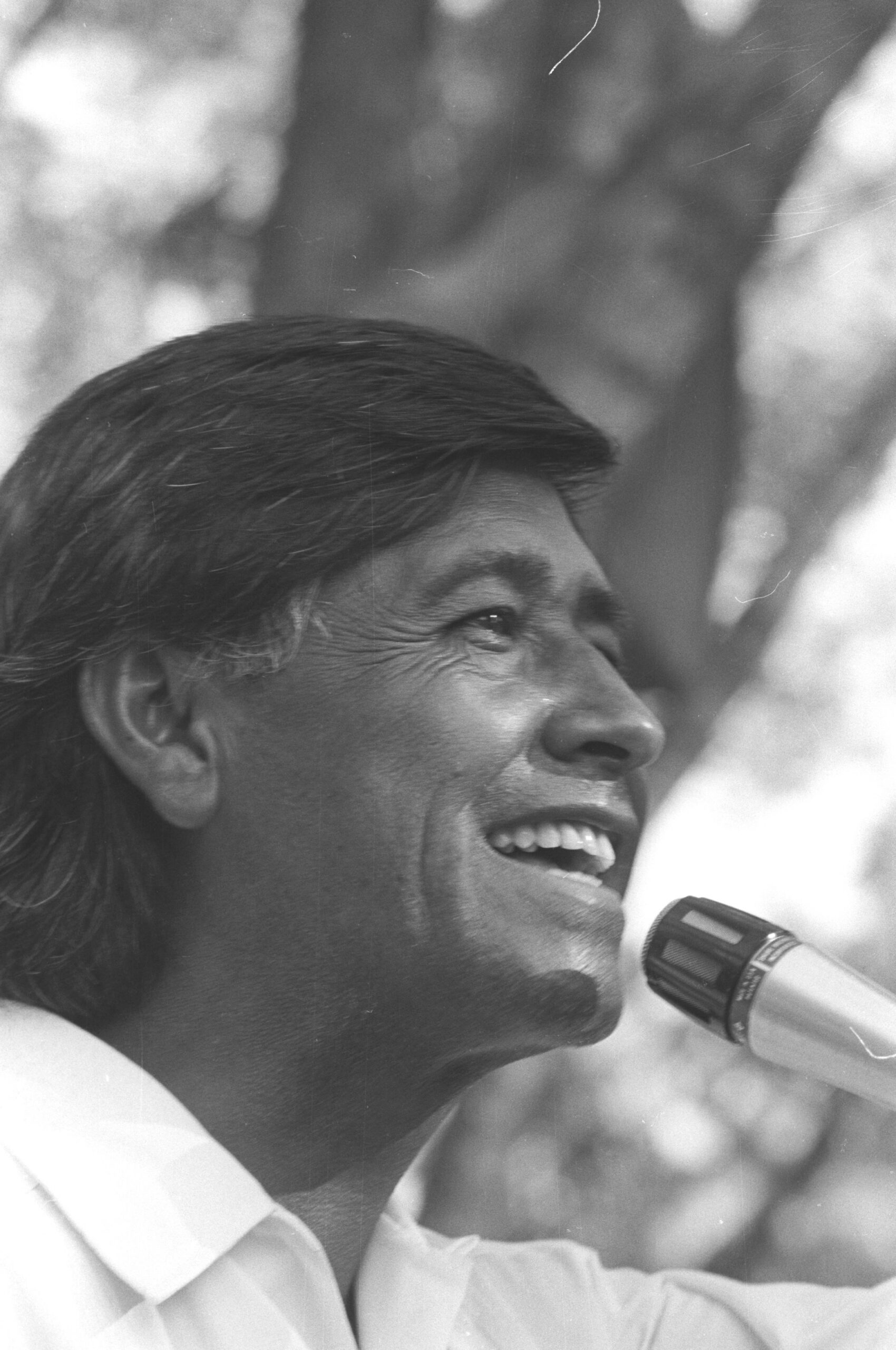
César Estrada Chávez, Senator Robert F. Kennedy noted, was “one
of the heroic figures of our time.”
A true American hero, Chávez was a civil rights, Latino, farm
worker, and labor leader; a religious and spiritual figure; a
community servant and social entrepreneur; a crusader for
nonviolent social change; and an environmentalist and consumer
advocate.
A second-generation American, Chávez was born on March 31, 1927,
near his family’s farm in Yuma, Arizona. At age 10, his family
became migrant farm workers after losing their farm in the Great
Depression.
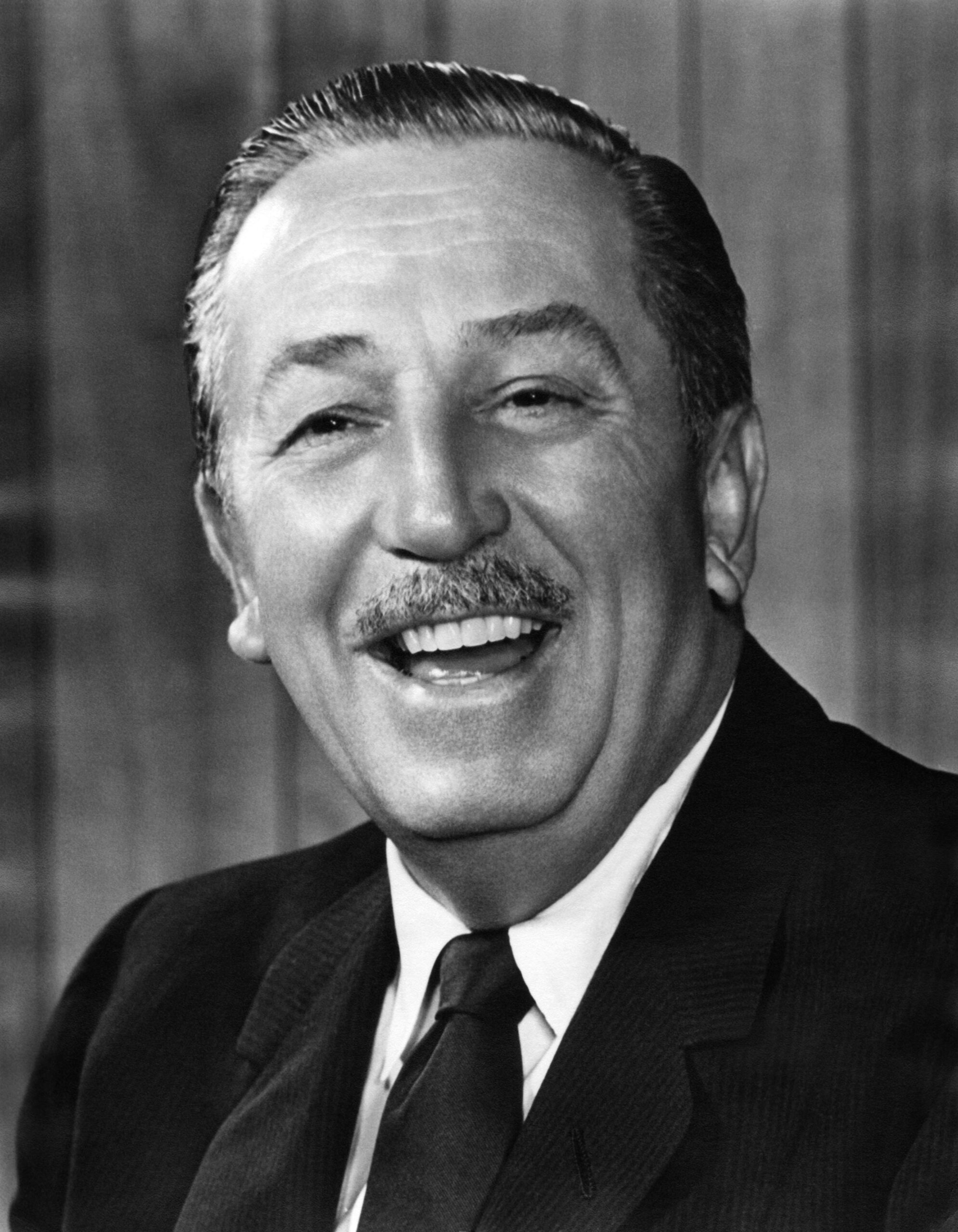
During a 43-year Hollywood career, which spanned the development
of the motion picture medium as a modern American art, Walter
Elias Disney, a modern Aesop, established himself and his product
as a genuine part of Americana.
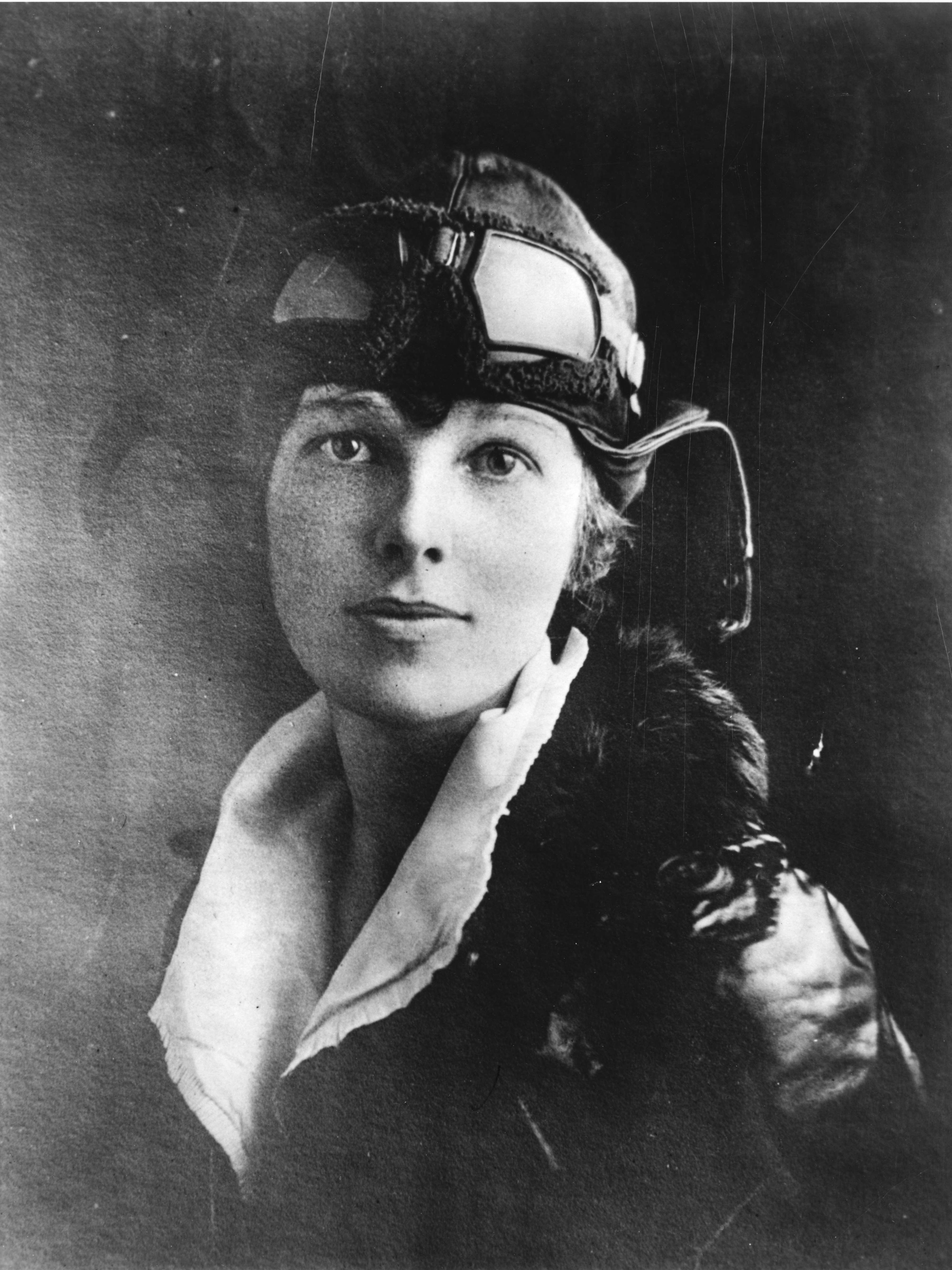
When 10-year-old Amelia Mary Earhart saw her first plane at a
state fair, she was not impressed. “It was a thing of rusty wire
and wood and looked not at all interesting,” she said. It wasn’t
until Earhart attended a stunt-flying exhibition, almost a decade
later, that she became seriously interested in aviation. A pilot
spotted Earhart and her friend, who were watching from an
isolated clearing, and dove at them. “I am sure he said to
himself, ‘Watch me make them scamper,’” she said. Earhart, who
felt a mixture of fear and pleasure, stood her ground.
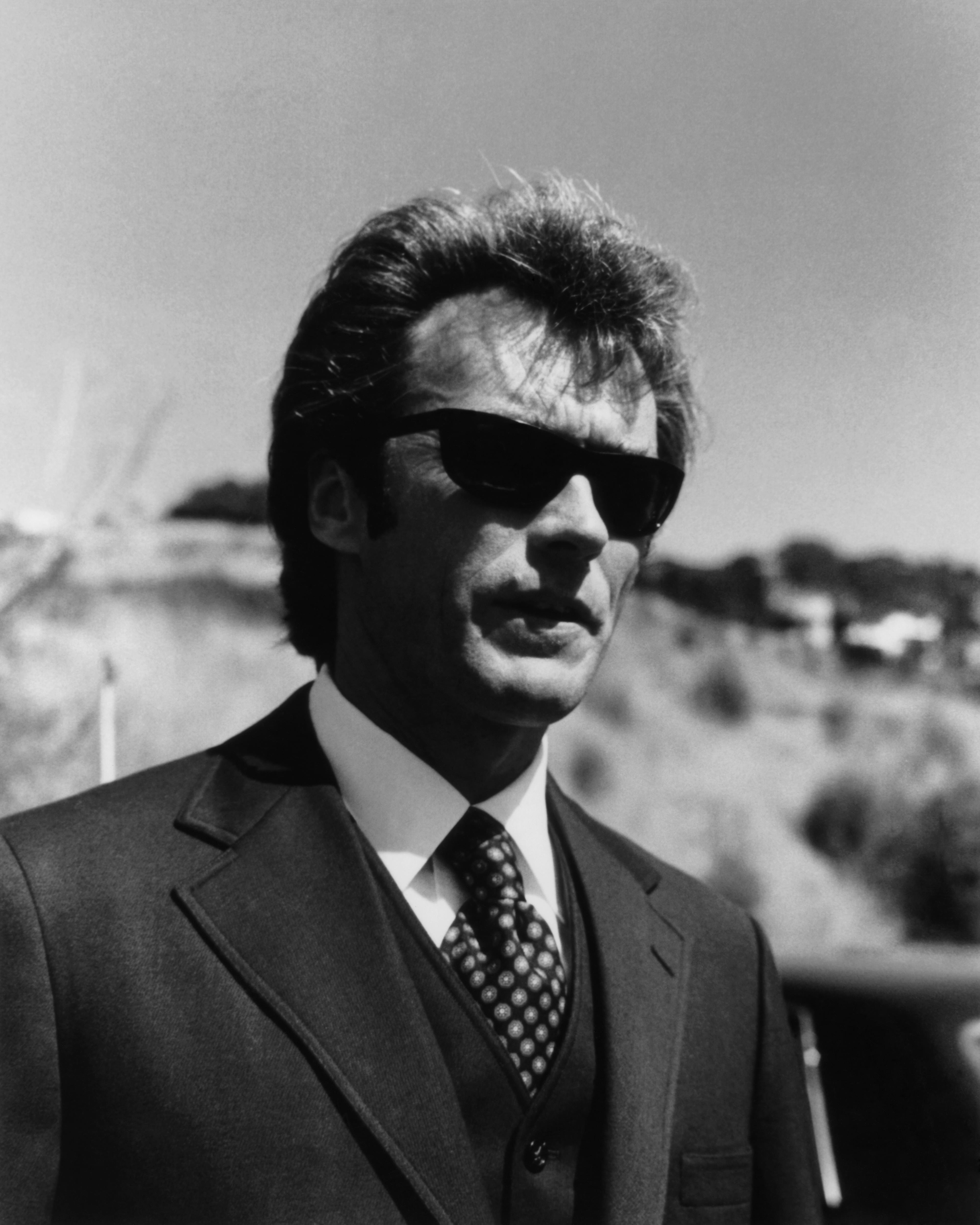
Clint Eastwood is the consummate filmmaker. His career spans four
decades and has touched generations of moviegoers. He is one of
the most prolific, versatile artists in the history of the
medium, involving himself first as an actor, then as a director
and producer. Eastwood’s remarkable achievements have been fueled
by his enormous box-office appeal and likewise reflected in the
recognition he has received. His respect within the film industry
is matched only by his appreciation from the public at large. His
ongoing body of work is without peer.
Raised in Toronto, Canada, Frank Gehry moved with his family to
Los Angeles in 1947. Mr. Gehry received his Bachelor of
Architecture degree from the University of Southern California in
1954, and he studied City Planning at the Harvard University
Graduate School of Design. Mr. Gehry has built an architectural
career that has spanned four decades and produced public and
private buildings in America, Europe and Asia. In an article
published in The New York Times in November, 1989, noted
architecture critic Paul Goldberger wrote that Mr.
David D. Ho, M.D. is the founding Scientific Director and Chief
Executive Officer of the Aaron Diamond AIDS Research Center, a
world-renowned biomedical research institute. He is also the
Irene Diamond Professor at The Rockefeller University.
Dr. Ho received his degrees from California Institute of
Technology (1974) and Harvard Medical School (1978).
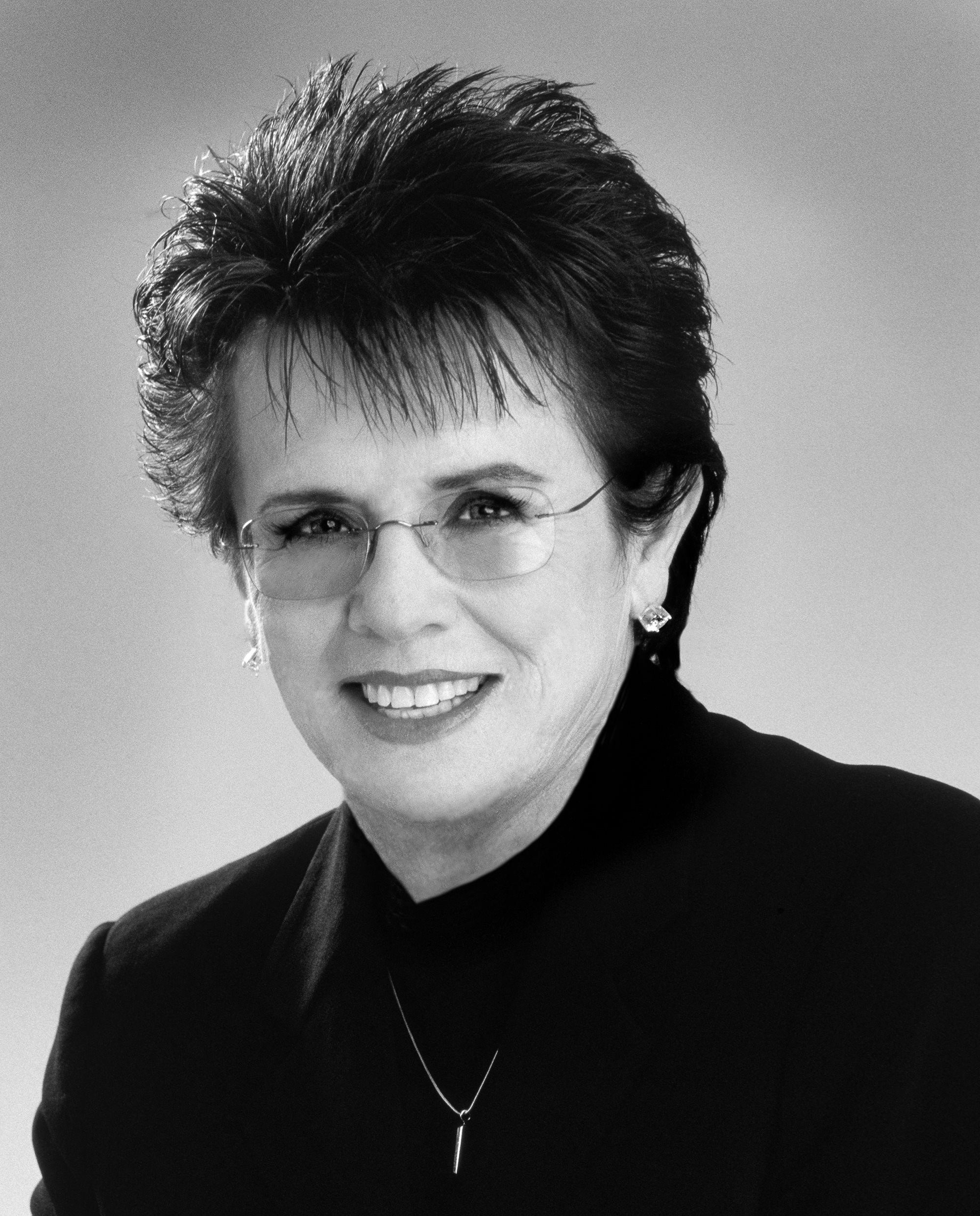
As one of the 20th century’s most respected women, Billie Jean
King has long been a champion for social change and equality.
King created new inroads for women in and out of sports during
her legendary career and she continues to make her mark today.
John Muir – farmer, inventor, sheepherder, naturalist, explorer,
writer, and conservationist – was born on April 21, 1838 in
Dunbar, Scotland. Until the age of eleven he attended the local
schools of that small coastal town. In 1849, the Muir family
emigrated to the United States, settling first at Fountain Lake
and then moving to Hickory Hill Farm near Portage, Wisconsin.
Muir’s father was a harsh disciplinarian and worked his family
from dawn to dusk.
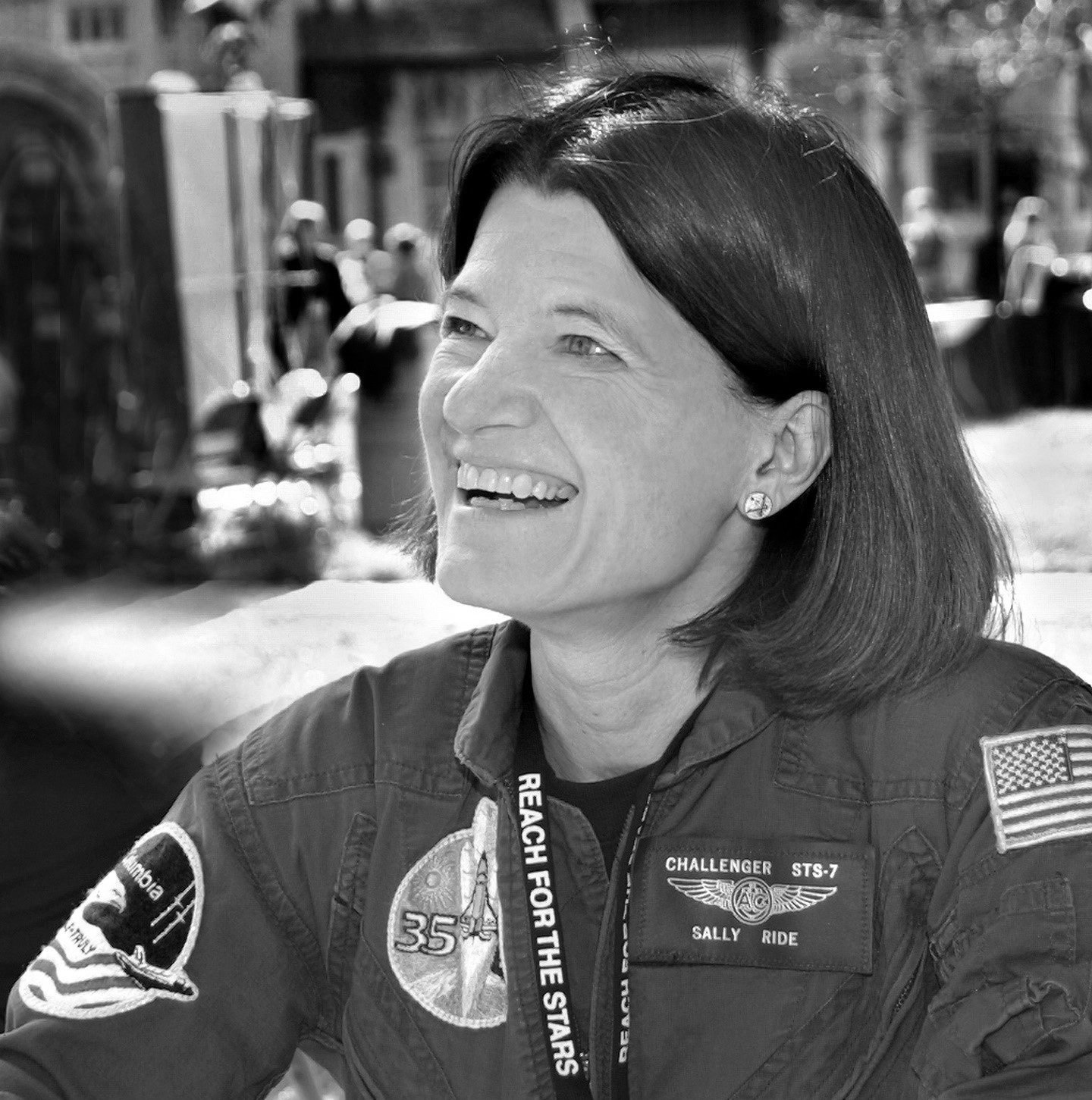
Born and raised in Los Angeles, California, Dr. Sally Ride is the
first American woman to fly in outer space. An accomplished
astronaut, physicist, professor and author, she has cumulatively
spent more then 343 hours in space.
A nationally ranked tennis player, Ride joined NASA in 1978 as
part of the first astronaut class to accept women. As part of her
training she was the Capsule Communicator (CapCom) for the second
and third Space Shuttle flights (STS-2 and STS-3) and helped
develop the Space Shuttle’s robot arm.
Alice Walker won the Pulitzer Prize and the American Book Award
for her third novel, The Color Purple, which was made
into an internationally popular film and is now a Broadway
musical. Her other best-selling novels, which have been
translated into more than two dozen languages, include By the
Light of My Father’s Smile, Possessing the Secret of
Joy, and The Temple of My Familiar. Her most recent
fiction work, Now is the Time to Open Your Heart was
published in 2004.
William Randolph Hearst, the man behind Hearst Castle, is an
important figure from the twentieth century whose influence
extended to publishing, politics, Hollywood, the art world and
everyday American life. His power and vision allowed him to
pursue one of the most ambitious architectural endeavors in
American history, the result of which can be seen in magnificent
grounds and structures of Hearst Castle.
Mr. Hearst was born on April 29, 1863, in San Francisco,
California, as the only child of George and Phoebe Hearst.
In 1939, Dave Packard and Bill Hewlett founded Hewlett Packard,
one of the century’s most admired companies. The famous “HP Way”
was based on the idea that people gain satisfaction and
motivation from working in an environment where they can
accomplish something worthwhile and receive recognition for it.